Sydney Water Mandated to Address Fatberg Pollution at Malabar Treatment Plant
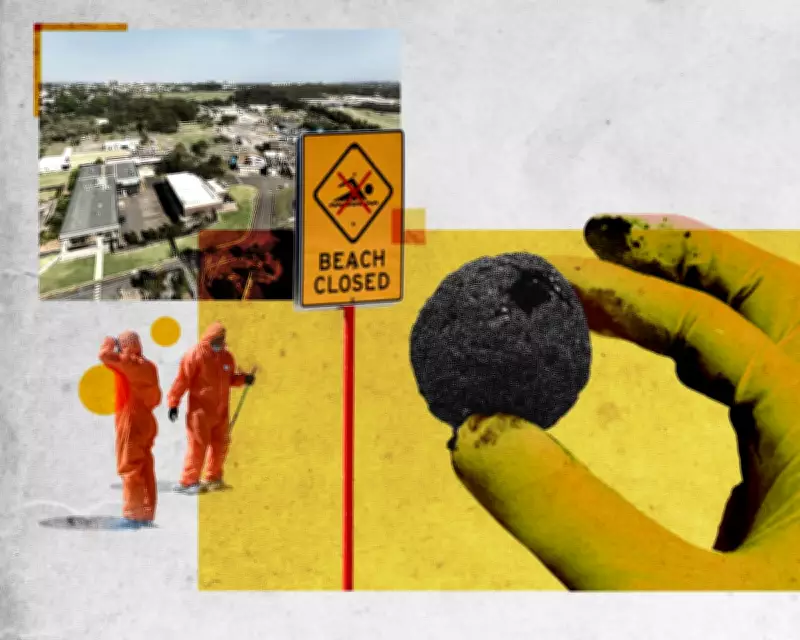
The New South Wales Environment Protection Authority (EPA) has issued a stringent pollution reduction program to Sydney Water, compelling the water corporation to undertake extensive cleanup operations at its Malabar wastewater treatment plant. This directive follows revelations of a colossal fatberg responsible for producing debris balls, commonly referred to as poo balls, which have repeatedly forced the closure of Sydney's iconic beaches during severe weather events.
Urgent Cleanup Required for Inaccessible Fatberg
Sydney Water has been ordered to remove accumulated fats, oils, and grease (FOG) from a challenging-to-access bulkhead area within the Malabar deep ocean outfall. The exact dimensions of the fatberg remain uncertain due to its location in a restricted zone, but estimates suggest it could be as large as four Sydney buses combined. A confidential report from August 2025, obtained through freedom of information laws, indicates that addressing this issue would necessitate shutting down the ocean outfall, which extends 2.3 kilometers offshore, for maintenance. Such a shutdown would require diverting sewage to alternative discharge points, potentially leading to beach closures lasting several months—a measure deemed unacceptable and unprecedented by Sydney Water.
Comprehensive Measures to Prevent Future Pollution
In addition to the immediate fat removal, the EPA has mandated Sydney Water to develop and implement a multifaceted strategy to mitigate future pollution incidents. This includes creating a system to capture debris that overflows from sewers during intense wet weather, conducting a detailed study on the formation and weathering processes of debris balls to enhance tracking capabilities, and exploring the use of artificial intelligence or other advanced technologies for monitoring debris ball formation. Steve Beaman, the EPA's executive director of operations, emphasized that Sydney Water holds full responsibility for preventing pollution of the state's beautiful beaches, stating that these actions are crucial steps toward safeguarding the natural environment.

Historical Context and Acknowledgment of Errors
The pollution crisis first emerged in October 2024 when debris balls began washing up on shores, prompting beach closures. Initially, Sydney Water denied any connection between the balls and its wastewater discharges, asserting that they formed independently. However, subsequent investigations and reporting have proven these claims false. In a recent admission, Sydney Water's managing director, Darren Cleary, conceded that earlier statements were inaccurate, acknowledging that evidence strongly points to the ocean outfall as the likely source of the debris balls. This acknowledgment comes after the removal of 53 tonnes of FOG from accessible areas in April 2025, highlighting the ongoing risks and complexities involved in the cleanup efforts.
The EPA's pollution reduction program underscores the severity of the issue and the need for both immediate and long-term solutions to protect Sydney's coastal ecosystems from further contamination.