
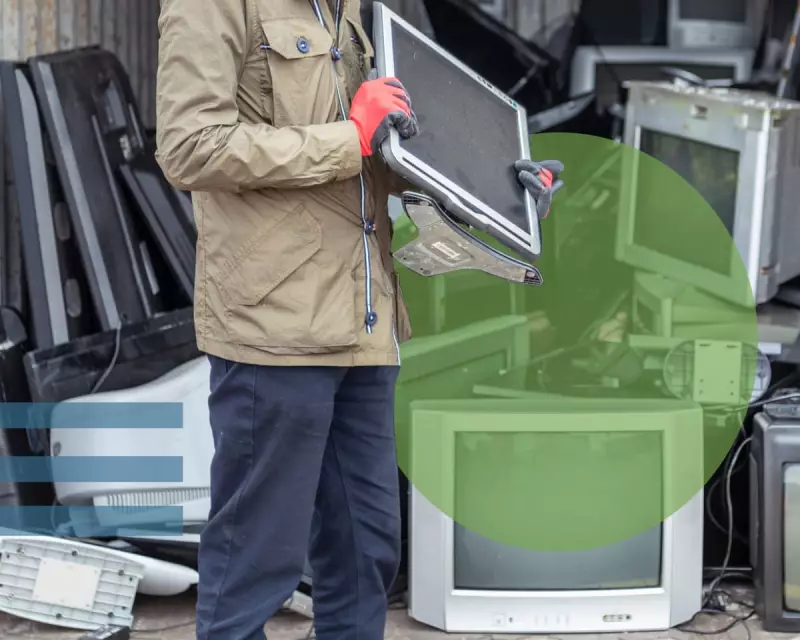
The world is confronting an escalating electronic waste crisis that threatens both environmental sustainability and data security. According to the latest Global E-Waste Monitor, our planet currently generates 62 million tonnes of e-waste annually, with projections indicating this could surge to 82 million tonnes by 2030.
The Growing Electronic Waste Mountain
The manufacturing process for modern electronics consumes substantial fossil fuels, from mining rare earth metals to processing, manufacturing, and global shipping. This creates an enormous environmental footprint even before devices reach consumers.
Australia alone contributes approximately 580,000 tonnes of electronic waste each year. The average Australian generates about 22kg of e-waste annually, nearly three times the global average according to a recent Productivity Commission inquiry.
Anne Stonier from the Australia New Zealand Recycling Platform (ANZRP) emphasises the dual nature of this challenge: "It's the fastest growing waste stream but it's also the most valuable. By recycling electronics properly, you're helping create a more circular economy."
Responsible Device Disposal Methods
Recycling electronic waste requires more consideration than simply discarding items in regular bins. Local councils typically provide designated e-waste drop-off points, though locations vary between municipalities. Several states including Victoria, South Australia, and Western Australia have implemented landfill bans for electronic waste.
Major retailers have established comprehensive recycling programmes. Officeworks collects batteries, computer accessories, printer cartridges, and mobile phones, while Bunnings maintains collection bins for batteries and larger electronic items like televisions, computers, and printers.
The MobileMuster programme, operated by the Australian telecommunications industry, accepts mobile phones, speakers, smartwatches, tracking tags, modems, routers, landline phones, and television streaming devices.
Many manufacturers offer trade-in programmes allowing customers to exchange old phones and laptops for discounts or credit toward new purchases. Charitable organisations like DV Safe Phone and the Reconnect Project also accept functional digital devices, refurbishing them for people in need.
Protecting Your Personal Information
Electronic devices often contain sensitive personal information, from smartwatches tracking daily routines to phones storing private photographs and business data.
Before disposing of any electronic item, users should:
- Backup or transfer important files to external storage or cloud services
- Remove physical markings or stickers that could identify device ownership
- Perform factory resets on smart devices, tablets, and phones
- Reformat drives and conduct factory resets on computers and storage devices
- Unpair devices from connected computers and other electronics
For devices that won't power on, remove any external or detachable memory storage before recycling. When dealing with highly sensitive information, consider using data sanitisation software, encrypting hard drives, or employing professional data destruction services.
Stonier advises caution: "If there's any concern about data getting into someone else's hands, it's better to just wipe it. You just don't know otherwise. It's better to be safe than sorry."
The consequences of inadequate data protection vary significantly. While family photographs pose relatively low risk, detailed financial information requires thorough eradication. Most criminal activity remains opportunistic, meaning even basic protective measures can prevent future complications.
With millions of unused mobile phones accumulating in drawers and electronic waste volumes increasing rapidly, responsible recycling practices have never been more crucial for both environmental protection and personal security.



