Fly-Tipping Across England Reaches Record High Amid Declining Court Fines
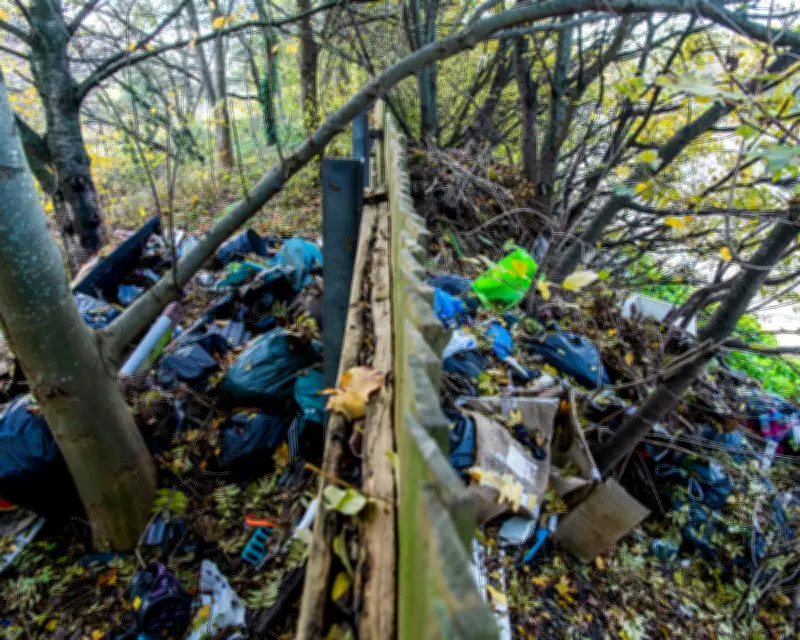
Fly-tipping incidents across England have soared to the highest level since records began, with a staggering 1.26 million cases recorded in 2024-25. This marks a 9% increase from the previous year's 1.15 million incidents, according to data released by the Department for Environment, Food and Rural Affairs (Defra). The majority of these offences continue to involve household waste, highlighting a growing environmental crisis.
Alarming Statistics and Government Response
The data reveals a concerning trend: despite the rise in fly-tipping, court fines have decreased from 1,378 to 1,250 over the past year. Shockingly, only 0.2% of incidents resulted in any court action, and a mere 139 offending vehicles were seized. In response, the government has issued fresh guidance for local authorities, advising on how to seize and crush vehicles used in fly-tipping and suggesting that councils "name and shame" criminals on social media.
Tim Farron, the Liberal Democrat spokesperson for environment, food and rural affairs, emphasized the scale of the problem, stating, "These figures show the equivalent of 142 monster landfills a day took place." The cost of clearing this rubbish has also escalated, reaching £19.3 million, a £6.2 million increase from 2023-24.

Household Waste Dominates Fly-Tipping Incidents
Household waste accounted for almost two out of three incidents, totaling 777,000 cases—a 13% increase from the previous year's 688,000. This includes material from house clearances, old furniture, carpets, and waste from small-scale DIY projects. The majority of incidents occurred on pavements and roads, making up 37% of all fly-tipping.
- Incidents equivalent to a "small van load" comprised 31% of the total.
- Those equating to a "car boot or less" were the second most common at 27%.
- One in 20 incidents were of "tipper lorry load"-size or greater, an 11% increase from the previous year.
Expert Reactions and Calls for Action
John Read, founder of the campaign group Clean Up Britain, warned, "Today's fly-tipping stats are further evidence of the national epidemic we're facing in England, and indeed the whole of the UK. To be effective, we have to create real jeopardy and fear in the minds of fly-tippers. The cost – and risk – of 'doing business' has to become too exorbitant for them."
Circular economy minister Mary Creagh asserted, "We are empowering local authorities to clamp down on waste cowboys and restore pride in our local areas. Fly-tippers should know – if you use your van to trash our countryside, don't be surprised when it ends up on the scrapheap."
Gavin Lane, president of the Country Land and Business Association (CLA), highlighted the dangers, saying, "It's not just litter blotting the landscape, but tonnes of household and commercial waste which can often be hazardous – even including asbestos and chemicals – endangering wildlife, livestock, crops and the environment."
The data does not include the 98 incidents of large-scale, illegal dumping handled by the Environment Agency or those cleared by private landowners, suggesting the true scale of the problem may be even greater.