Councils Demand Urgent Review of Fly-Tipping Court Fines
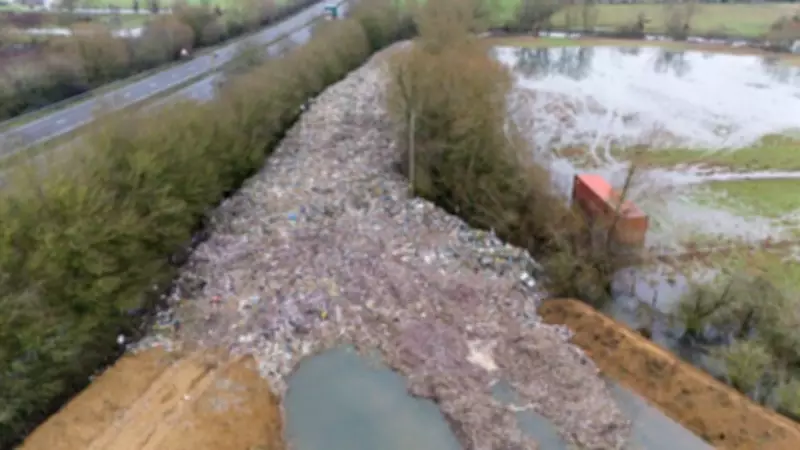
Local authorities across England are calling for an immediate overhaul of court-imposed fines for fly-tipping, arguing that current penalties fail to match the severity of the offence or the costs incurred by councils. This demand comes as new figures reveal a staggering 9% increase in illegal waste dumping on public land during the 2024/25 period, reaching a record-breaking 1.26 million incidents.
Disparity Between Court Fines and Council Penalties
The Local Government Association (LGA) has highlighted a concerning gap in enforcement. While councils issued fixed penalty notices averaging £626 for fly-tipping offences last year, offenders prosecuted through the courts received average fines of just £539—a difference of £87. This discrepancy, councils argue, undermines deterrence, weakens enforcement efforts, and leaves local authorities financially strained after pursuing costly prosecutions.
Arooj Shah, chairwoman of the LGA neighbourhoods committee, emphasized: "Fly-tipping is criminal activity that blights communities and costs taxpayers millions of pounds every year. Councils are working hard to investigate and prosecute offenders, but when court fines are lower than fixed penalties, it undermines enforcement and fails to act as a deterrent."

Notable Cases Highlighting the Issue
Several recent cases illustrate the severity of the problem. In Wiltshire, a fly-tipper who ignored a £1,000 fixed penalty notice was fined a mere £80 when the case reached court. Similarly, in York, two offenders received court fines of £300 each, despite initial council penalties of £600 and £1,000. In Chelmsford, two individuals were fined £300 by magistrates—less than the £400 fixed penalties they had originally been issued.
These examples underscore what councils describe as a systemic failure of the justice system to reflect the true cost and impact of fly-tipping. Prosecutions often require lengthy investigations, high evidence thresholds, and significant staff time, yet resulting fines frequently fall short of covering these expenses or conveying the seriousness of the crime.
Rising Costs and Incident Numbers
The financial burden on councils is escalating. Larger-scale fly-tipping incidents, involving tipper lorry loads or more dumped in streets, alleyways, or other public spaces, cost English councils £19.3 million to clear up last year. The number of such major incidents rose by 11% from the previous year to 52,000, adding pressure to already stretched local budgets.
Councils are increasingly taking enforcement action, but the LGA warns that without stronger court-backed penalties, efforts to combat illegal dumping will remain ineffective. The association is urging the government and the Sentencing Council to review guidelines urgently, ensuring punishments fit the crime and acknowledge both the environmental harm caused and the extensive work of enforcement officers.
The Environment Department (Defra) has been approached for comment on the proposed review. As fly-tipping continues to plague communities, councils stress that meaningful reform is essential to protect public spaces and hold offenders accountable.