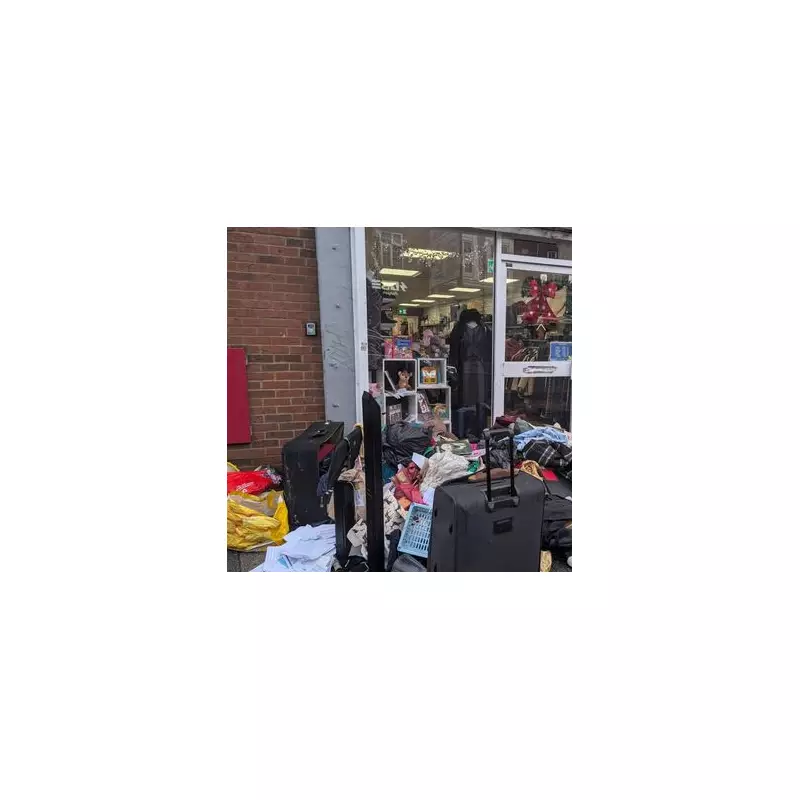
A charity shop in North London was compelled to shut its doors after staff arrived to discover a shocking pile of fly-tipped rubbish, including filthy kitchenware and soiled clothing, blocking its entrance.
Shocking Discovery Forces Immediate Closure
Store manager Crissih arrived at the St Luke's Hospice shop in Harrow and Wealdstone on the morning of 22 December 2025 to find the appalling scene. The heap of waste was so severe it presented an immediate health and safety risk, forcing the temporary closure of the store while staff dealt with the mess.
"We found very dirty clothes, kitchen appliances like pans which were very dirty and very dirty blankets," Crissih explained. "It wasn't normal stuff. I felt like I needed to clean it because it's not nice for customers to see."
A Plea for Responsible Donations
The hospice, which has served the local community for eight years, reports a worrying increase in donations being dumped outside its premises since the Covid-19 pandemic. However, this incident marked a new low. The shop has a strict policy of discarding any items left outside due to contamination risks, meaning such actions waste volunteer time and ultimately harm the charity's funds.
Crissih has issued a direct appeal to the public: "Don't leave anything outside. We are very happy with the generosity of everyone. Please don't leave anything outside the shop and then we can thank you for the donation." She urges donors to consider the quality of items they give and to bring them during opening hours.
How to Dispose of Unwanted Items Correctly
Fly-tipping is illegal and burdens charities and local authorities. For those needing to dispose of household items, the correct channels are readily available.
Residents are advised to check their local council's website to find their nearest recycling centre. For larger items, most councils offer a booked collection service for a fee, ensuring responsible disposal without damaging the local environment or community resources like vital charity shops.