In the shadow of Wembley Stadium's gleaming arch, the London Borough of Brent presents a stark contrast: residential streets marred by a patchwork of filth, from discarded sofas to overflowing bins. This area recently earned the unenviable title of England's fly-tipping capital, with 35,000 incidents recorded in a single year, leaving locals like Robert Hall, a lifelong resident, feeling embarrassed and isolated.
The Enforcement Squad's Detective Work
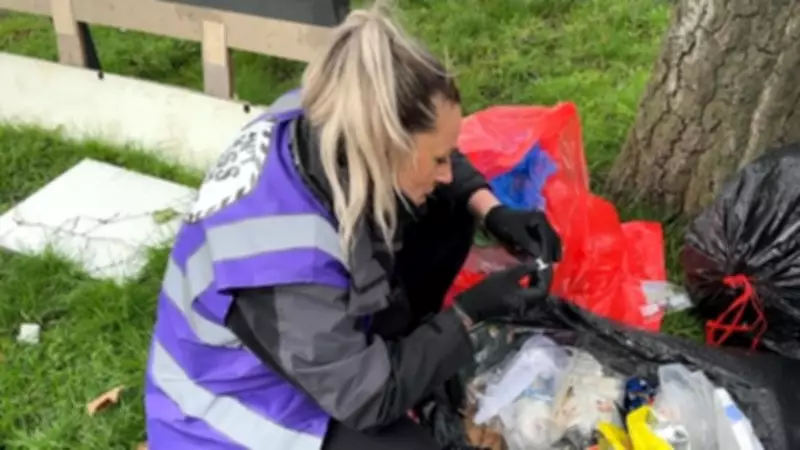
Brent Council is fighting back with a zealous squad of enforcement officers, led by patrol supervisor Anca Pricop. Describing their role as "little detectives," these officers comb through piles of rubbish, searching for clues like torn delivery labels or prescription slips to track down culprits. Anca, who brings unexpected glamour to the grimy task, emphasizes the satisfaction of catching offenders, despite the challenges.
A National Epidemic of Waste Crime
While Brent is making slow progress—thanks to inspections and community initiatives like new skips—the national picture remains grim. Fly-tipping incidents hover around one million annually, with new statistics for 2024-2025 expected to show little improvement. Campaigners at Clean Up Britain accuse authorities of inadequate enforcement, calling for stronger measures and fines up to £20,000.

The government asserts its determination to combat waste criminals, empowering councils to seize and crush vehicles used in fly-tipping. However, with many cases going unpunished, especially on private land, the reality often falls short of this ideal. For residents like Robert, the daily obstacle course of dumped items is a constant reminder of the ongoing battle to reclaim their neighborhoods from rubbish.