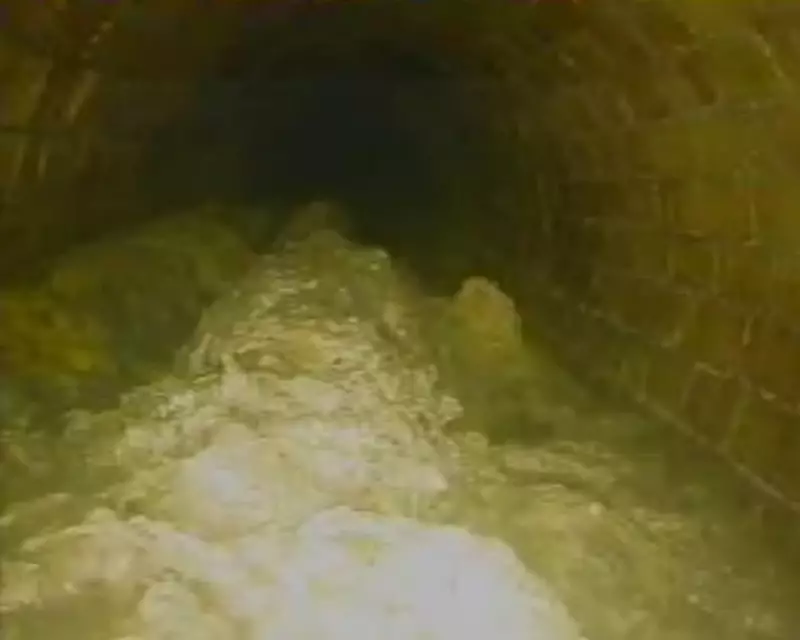
A monstrous sewer blockage, dubbed a 'fatberg' and weighing an estimated 100 tonnes, has been discovered in east London, prompting urgent warnings from the water company.
A Concrete-Like Menace in the Sewers
The colossal mass of congealed fat, oil, and grease measures approximately 100 metres (328ft) in length and was found in the Whitechapel area. Officials from Thames Water have highlighted that its weight is about a third greater than the British army's heaviest battle tank.
This new blockage has been described as the grandchild of the infamous 130-tonne, 250-metre Whitechapel fatberg from 2017, a sample of which was later displayed in the Museum of London.
Festive Period Brings Seasonal Spike in Blockages
The discovery has led Thames Water to issue a stark reminder to households over the festive season. The company reports a significant seasonal increase in blockages during December and January, with clearance costs soaring to £2.1 million during this period.
Tim Davies, Thames Water's head of waste operations for north London, stated: "This latest fatberg shows exactly what happens when fats, oils and wipes go down our drains – they don't disappear, they build up and cause serious damage." He emphasised that the multi-million-pound annual cost of clearing such blockages is ultimately borne by customers.
How to Prevent Costly and Disgusting Blockages
To combat the problem, Thames Water is urging the public to adopt simple preventative measures:
- Scrape all food scraps from plates and pans into the bin before washing.
- Ensure plugholes are fitted with a strainer to catch solids.
- Avoid pouring liquid fats like gravy, sauces, cream, or cooking oil down the sink.
- Never flush wet wipes, sanitary products, or cotton buds down the toilet.
Reflecting on the challenging removal process for the 2017 fatberg, Matt Rimmer, then head of waste networks, compared it to breaking up concrete, labelling such situations as "totally avoidable." The message from Thames Water remains clear: what goes down the drain doesn't just vanish, and the consequences are both environmentally damaging and financially costly for all.