Environmental Crisis Unfolds on Sussex Coast
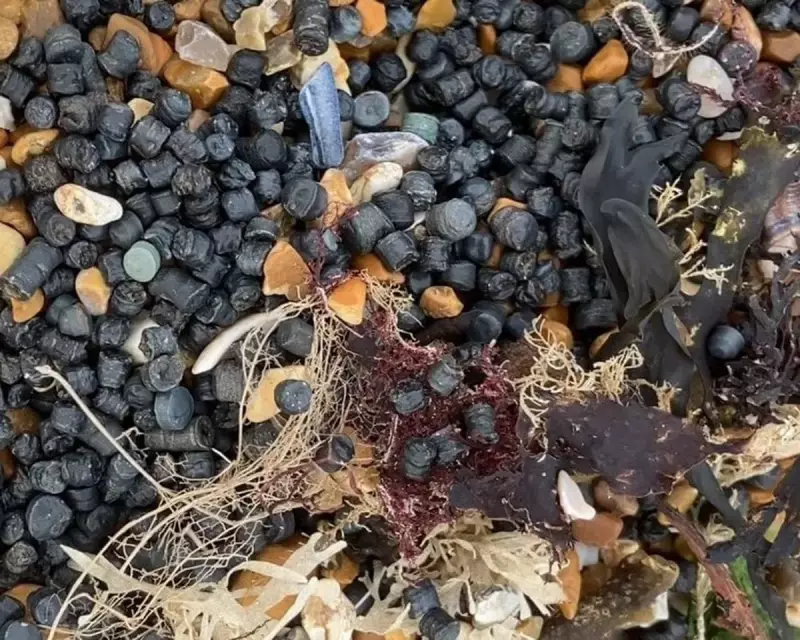
Millions of toxic plastic beads have contaminated Camber Sands beach in East Sussex, creating what local authorities are calling an environmental catastrophe. The recent spillage poses significant risks to marine wildlife and coastal ecosystems, with Southern Water taking full responsibility for the incident.
The water company acknowledged that a mechanical failure at one of its treatment plants caused the release of what the industry terms bio-beads - tiny plastic pellets used in wastewater filtration. This marks the latest in a series of similar incidents affecting the popular coastal area.
What Are Bio-Beads and Why Are They Dangerous?
Despite their environmentally-friendly sounding name, bio-beads are actually plastic pellets measuring approximately 5mm in length with dimpled surfaces designed to trap bacteria. They function by developing a biofilm of microorganisms that break down contaminants in water treatment processes.

The environmental threat comes from multiple factors. These pellets attract algae and develop a food-like scent, making them appealing to birds, fish, and dolphins. When ingested, they can prove fatal to marine animals. Furthermore, they gradually break down into microplastics that persist in the environment indefinitely.
Additional concerns arise from their composition. Some bio-beads originate from electronic waste materials, potentially containing heavy metals and carcinogenic polycyclic aromatic hydrocarbons. Having been used to absorb harmful bacteria, they can also spread pathogens throughout the ecosystem.
A Recurring Problem with Long-Term Consequences
This incident represents neither the first nor likely the last such spillage. Historical data reveals major bio-bead incidents on Camber Sands in both 2010 and 2017, with pellets from those events still being discovered today. A report by the Cornish Plastic Pollution Coalition identifies Cornwall and the Channel coast as UK hotspots for this type of pollution.
The current cleanup effort involves volunteers working painstakingly by hand to remove the beads from the beach. However, the scale of contamination makes complete removal virtually impossible, meaning this recent spill will likely impact the local environment for years to come.
Sustainable Alternatives Exist But Face Barriers
Environmentally conscious alternatives to plastic bio-beads do exist, though adoption remains limited. Glass-based filtration systems provide similar functionality with reduced environmental harm, though they come with higher costs.
Innovative solutions in development include filters made from coconut shells that biodegrade harmlessly. Many water companies already utilize fixed filtration systems like bio-blocks - solid, porous blocks made from ceramics, concrete, or polymers that support biofilm growth without the spillage risk of buoyant beads.
Advanced treatment methods such as electrocoagulation, which uses electric currents to remove contaminants, offer another plastic-free alternative. The persistence of plastic bio-beads in water treatment highlights the ongoing challenge of balancing operational efficiency with environmental responsibility.