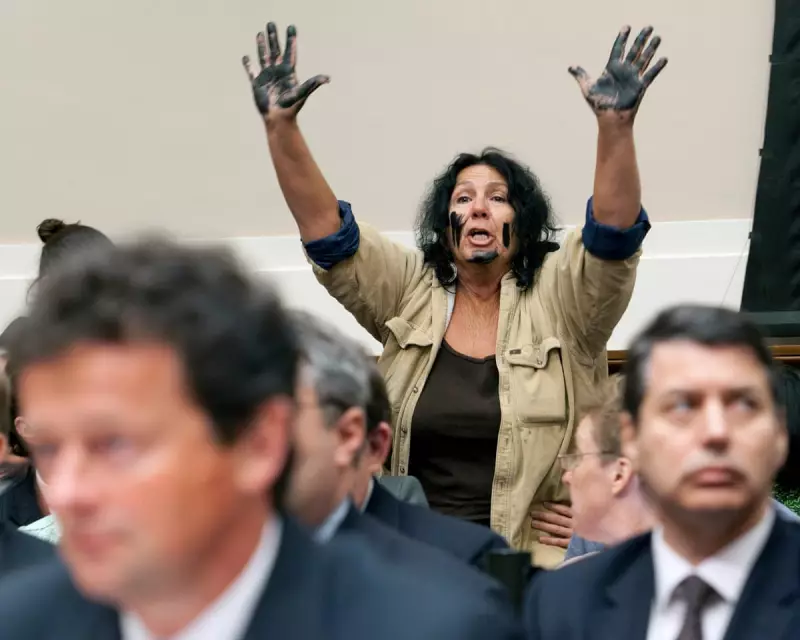
In a remarkable victory for grassroots environmental activism, a 77-year-old Texas shrimper has successfully stalled ExxonMobil's ambitious $10bn plastics plant through determined legal action. Diane Wilson's persistent campaign against corporate polluters has delivered another significant blow to the fossil fuel industry's expansion plans.
The School Board Showdown
When ExxonMobil arrived in Calhoun county late last year, Wilson immediately recognised the familiar corporate playbook. The company sought a tax abatement through a rushed school-board meeting - a requirement under Texas law - in what Wilson described as "a deliberate attempt to avoid public opposition."
In May, Wilson sued the school board, arguing it had violated Texas open-meeting laws. Her legal challenge proved successful when a district judge struck down the board's approval of the tax abatement in late September. Less than two weeks later, Exxon announced it would "slow the pace of development" on the massive plastics facility, citing market conditions - though the timing suggested otherwise.

A Lifetime of Environmental Defence
Wilson's connection to the Texas Gulf coast runs deep. Growing up in Seadrift, she describes the bay as "the heart and soul of the community." Having worked on boats since she was eight years old, she told the podcast A People's Climate: "It's my life and my identity."
Her environmental activism began decades ago when she discovered her tiny county ranked first in the nation for toxic dumping. An introvert by nature, Wilson was thrust into activism overnight when local officials tried to silence her questions. Since then, she's been arrested more than 50 times, led hunger strikes, and even scaled the White House fence in what she calls "soul power in action."
Her most significant previous achievement came through a historic $50m Clean Water Act settlement against Formosa Plastics - the largest citizen-led environmental settlement in US history. Wilson didn't take a cent, instead directing the funds toward local restoration projects including a fisheries co-op, oyster farms, and the community-science network Nurdle Patrol.
Big Oil's Plastic Pivot
Exxon's proposed plastics plant in Calhoun county was designed to produce 3 million tons of polyethylene pellets annually - the raw materials for everything from grocery bags to vinyl flooring. This represents a key strategic shift for fossil fuel companies as gasoline demand declines.
According to industry projections, petrochemical products could drive nearly half of future oil-demand growth by 2050. Companies like Exxon, Shell, and Dow are betting billions on this fossil-to-plastic pivot, despite plastics coming from one of the planet's most carbon-intensive and polluting supply chains.
Exxon already operates one of the world's largest chemical hubs in Baytown, Texas. The Calhoun county facility would have been the next link in a fossil-fuel chain stretching from gas wells in west Texas to manufacturing zones in Asia.
Broader Implications for Environmental Justice
Wilson's victory represents more than just a local success story. Across the Gulf south, communities are mounting similar challenges to corporate polluters. In Louisiana's Cancer Alley, Sharon Lavigne has spent years fighting Formosa's $9.4bn complex, while organisers in Port Arthur and Corpus Christi are battling new gas export terminals.
These aren't isolated NIMBY fights but part of a regional reckoning with a century of extraction. As record heat and hurricanes grow deadlier, Exxon continues to defend oil and petrochemical projects as "accelerating a just transition" - a phrase that critics describe as bordering on self-parody.
The timing of Wilson's victory coincides with revelations that more than 5,000 fossil-fuel lobbyists have gained access to UN climate talks over the past four years, highlighting how those driving oil and gas expansion are simultaneously shaping global climate policy.

Wilson reflects on the personal cost of her activism: "Eventually I lost my husband, the house, the boat. But you can lose it all and gain your soul." Her story demonstrates that even ordinary people can challenge the world's most powerful corporations when they refuse to back down.