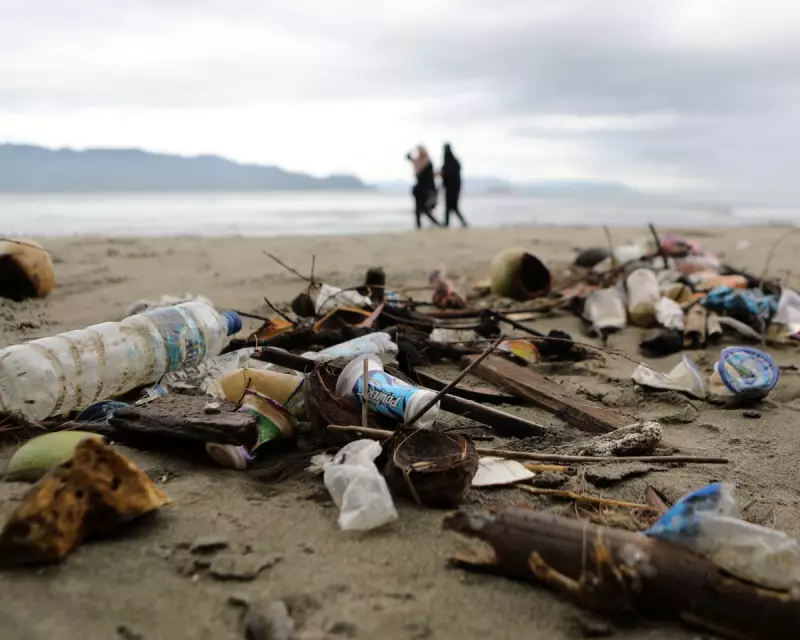
A groundbreaking new report has concluded that the widespread adoption of reuse and return systems could effectively eliminate plastic waste within the next 15 years. The analysis, published by the environmental think tank Green Alliance, calls for urgent and decisive policy action to transform the UK's relationship with single-use packaging.
The Case for a Systemic Shift
The report, titled 'Reuse and refill: how to make it a reality', argues that the current focus on recycling is insufficient to tackle the plastic pollution crisis. While recycling plays a role, the study's authors contend that a fundamental shift towards reusable packaging systems is the only way to achieve a genuine circular economy. The analysis suggests that with the right regulatory framework, reuse systems for beverages and food packaging could become the dominant model, dramatically reducing the volume of waste produced.
Key to this transformation would be the introduction of a mandatory deposit return scheme (DRS) for all single-use drinks containers, coupled with ambitious reuse targets for supermarkets and major brands. The Green Alliance proposes that the government sets a legal requirement for 75% of drinks to be sold in reusable containers by 2035. This, they assert, would create the market certainty needed for businesses to invest in the necessary infrastructure, such as standardised bottles and widespread return points.
Overcoming Consumer and Business Hurdles
The report acknowledges significant barriers that have historically prevented reuse schemes from scaling up. For consumers, the main obstacles are convenience and habit. For businesses, the challenges include high initial costs, operational complexity, and a lack of standardisation. The Green Alliance's proposed policy package is designed specifically to overcome these hurdles.
Their recommendations include:
- Legally binding reuse targets for retailers and producers.
- Government investment in standardised packaging and shared return infrastructure.
- Revised packaging regulations that financially favour reusable over single-use options.
- A comprehensive DRS that includes glass, plastic, and metal to prevent material substitution.
Libby Peake, head of resource policy at Green Alliance, emphasised the need for government leadership. "The market won't deliver this on its own," she stated. "We need clear regulations and government support to make reuse the easy and affordable choice for everyone." The report cites successful examples from other European nations, demonstrating that such systems are viable and effective when properly supported.
A Future Free from Plastic Waste?
The potential environmental benefits outlined in the report are substantial. By moving to a reuse-centric model, the UK could see a drastic reduction in resource extraction, carbon emissions associated with production and recycling, and of course, the plastic litter that blights landscapes and oceans. The 15-year timeline is presented as an ambitious but achievable goal, conditional on policy implementation beginning within the next parliamentary term.
The report arrives at a critical juncture, as the UK government reviews its extended producer responsibility (EPR) schemes and consults on future waste management strategies. Proponents argue that embedding reuse targets into these frameworks is essential. Without such bold policy interventions, they warn, the country will remain locked in a wasteful cycle of single-use consumption, failing to meet its long-term environmental commitments. The message is clear: the technology and the models exist, but political will is the missing ingredient to turn the tide on plastic pollution within a generation.