
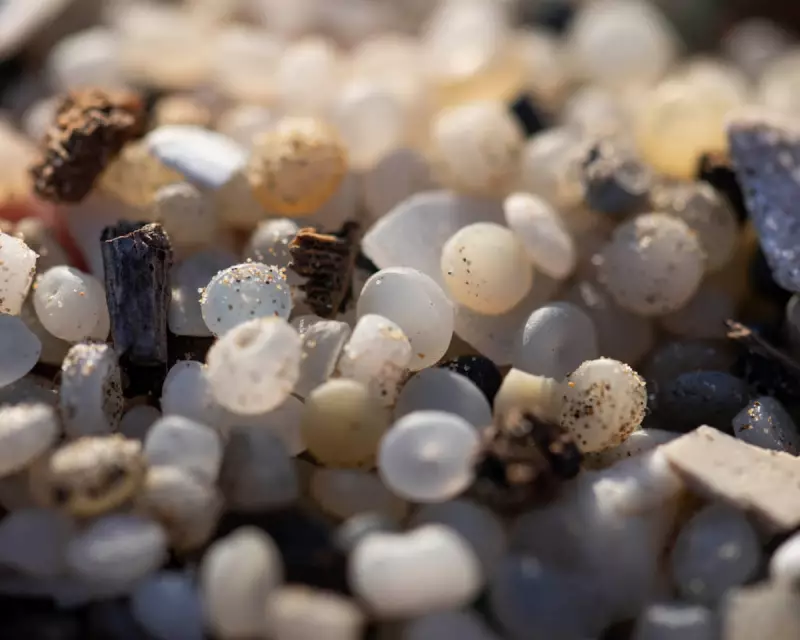
A widespread environmental crisis is unfolding across the UK's most precious natural habitats, with a new investigation revealing that the vast majority of protected sites are contaminated with plastic pellets known as nurdles.
Widespread Contamination in Protected Sanctuaries
The environmental charity Fidra has discovered that 84% of the UK's Sites of Special Scientific Interest (SSSIs) it surveyed are polluted with these tiny plastic pellets. The comprehensive study, which has been running since 2013, found nurdles in 168 out of 195 SSSIs examined across the country.
These protected areas are specifically designated for their rare wildlife and receive extra legal protections to shield them from pollution. Despite this status, the contamination has reached even the most sensitive ecosystems.
National Parks and Key Areas Affected
The pollution extends beyond SSSIs to include six of Britain's cherished national parks. Contaminated sites include Loch Lomond & the Trossachs, North York Moors, New Forest, Pembrokeshire Coast, Eryri (Snowdonia), and South Downs.
Some of the worst-affected locations include the River Itchen in Southampton, particularly the Chessel Bay nature reserve, and Scotland's Firth of Forth.
Nurdles serve as the fundamental building blocks of the plastics industry, melted down to create nearly all plastic products. They're produced at facilities around the UK, including Grangemouth in Scotland, and transported nationwide by road and sea.
Environmental Impact and Call for Action
The scale of the problem is staggering, with estimates suggesting that as many as 53 billion nurdles could be entering the UK environment annually through accidental spills and supply chain mismanagement.
These pellets pose a severe threat to wildlife because animals frequently mistake them for food, leading to poisoning and internal damage. Furthermore, they gradually break down into microplastics that infiltrate the human food chain, creating health risks for people as well as wildlife.
Megan Kirton, Fidra's senior project officer, expressed deep concern, stating: "It is shocking to see nature reserves and protected areas around the UK impacted by plastic pellet pollution. These precious sanctuaries are being contaminated by preventable industrial pollution."
The charity is urgently calling for coordinated international policy on nurdle management and legislation to enforce better practices throughout the supply chain. They're specifically requesting that the International Maritime Organization implement robust mandatory measures to ensure safe transportation and prevent losses at sea.



