
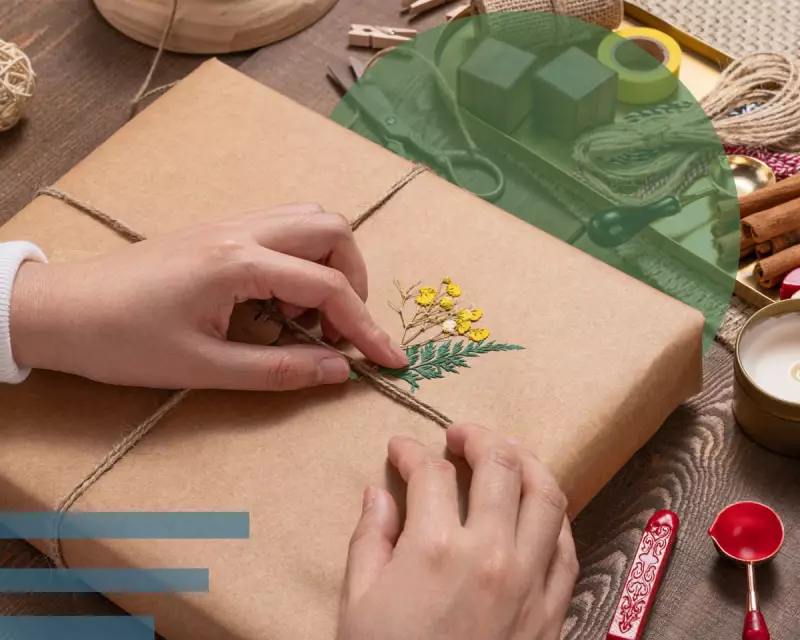
As festive celebrations approach, new research reveals a troubling reality about Christmas gift-giving. According to the Australia Institute, nearly one-third of Australians anticipate receiving presents they will never use, creating an astonishing £921 million worth of gifts destined for landfill.
Rethinking Christmas Traditions
This year, sustainability experts are encouraging a fundamental shift in how we approach Christmas presents. The key lies in moving away from traditional gift-giving habits that often result in unwanted items accumulating in homes and eventually in waste disposal sites.
Lottie Dalziel, author of 365+ Ways to Save the Planet and Your Money at the Same Time, emphasises the importance of open communication. "Share your budgets, your needs and desires with your loved ones," she advises. "If you don't want a thing then let them know early on."
Practical Strategies for Sustainable Giving
For those seeking alternatives to conventional presents, digital Secret Santa platforms like Elfster offer an effective solution. These systems allow families and friends to set spending limits and create wish lists, ensuring everyone receives gifts they genuinely want and will use.
Dr Kate Luckins, author of Live More with Less, recommends moving beyond physical items altogether. "Take unwanted stuff out of the equation and give non-material options such as services, experiences, donations, digital magazine subscriptions, zoo or museum memberships and edible gifts," she suggests.
Experience-based presents have gained significant popularity, with vouchers for saunas, spas, restaurants, and even specialised services like sneaker cleaning or handbag restoration becoming increasingly common gifts.
Choosing Sustainable Physical Gifts
When physical presents are necessary, Dr Anita Vandyke, author of A Zero Waste Life, provides clear guidance. "A sustainable gift is one that will actually be used and loved for years," she explains. "Choose items made from natural materials such as wood, rattan, cotton or wool or recycled materials."
Supporting local makers provides multiple benefits, including reduced transport emissions and adherence to stricter workplace and environmental standards. Australian manufacturers must comply with rigorous employment regulations and responsible production processes.
For those concerned about plastic waste, consider brands like Banish, which creates refillable pens and garden tools from recycled bottle-tops, or Transmutation, producing homewares from recycled bread tags.
Navigating Greenwashing and Certification
With sustainability claims becoming increasingly common in marketing, consumers need to distinguish genuine eco-friendly products from greenwashed alternatives. Vandyke warns against vague terminology like "eco-friendly" or "natural" without supporting evidence.
"Look for certifications that involve auditing by credible authorities," she recommends. Key standards to watch for include Fair Trade, Global Organic Textile Standard, Forest Stewardship Council, Global Recycled Standard and the Australian Certified Organic Standard.
Vintage and secondhand items represent another sustainable option, offering unique gifts while reducing resource consumption. From vintage chess sets to Italian glassware from the 1980s, these items provide character while supporting circular economy principles.
As Christmas approaches, these expert strategies offer practical pathways to celebrate joyfully while significantly reducing environmental impact and preventing valuable resources from becoming landfill waste.



