Catastrophic Plastic Bead Spill Devastates Sussex Coastline
The picturesque beaches of Camber Sands in East Sussex have become the epicentre of what environmental experts fear could be one of England's worst plastic pollution disasters. Millions of tiny, toxic plastic beads have inundated the coastline after a catastrophic equipment failure at a Southern Water treatment facility.
Approximately 650 million plastic bio-beads, weighing an estimated 10 tonnes, escaped into the sea from Eastbourne sewage works about two weeks ago when a containment screen failed. The beads began washing up on Camber Sands beach last Thursday, with the situation dramatically worsening over the weekend.
Community Outrage and Environmental Impact
At an emotional public meeting on Thursday, hundreds of local residents heard devastating news about the spreading contamination. Richard Oakes, the local Environment Agency officer, confirmed that the beads have now been found along the coast from Hastings to Dungeness, and have even penetrated the ecologically sensitive Rye Harbour nature reserve.
"This is catastrophic," said Sarah Broadbent, who chairs the 1066 Country tourist board. "We really rely on tourists here, who come for the beach. We will be at the bottom of everybody's holiday list now." She emphasised that the beach was crucial for local residents' happiness and mental health, calling the situation "catastrophic for us."
The news that beads had reached the salt marshes of Rye Harbour - a Site of Special Scientific Interest popular with wading birds - prompted gasps and whispers of "no" from the assembled crowd. Local MP Helena Dollimore expressed her fear that "when birds start washing up dead on the reserve, I think that will be extremely upsetting."
Volunteer Cleanup and Economic Consequences
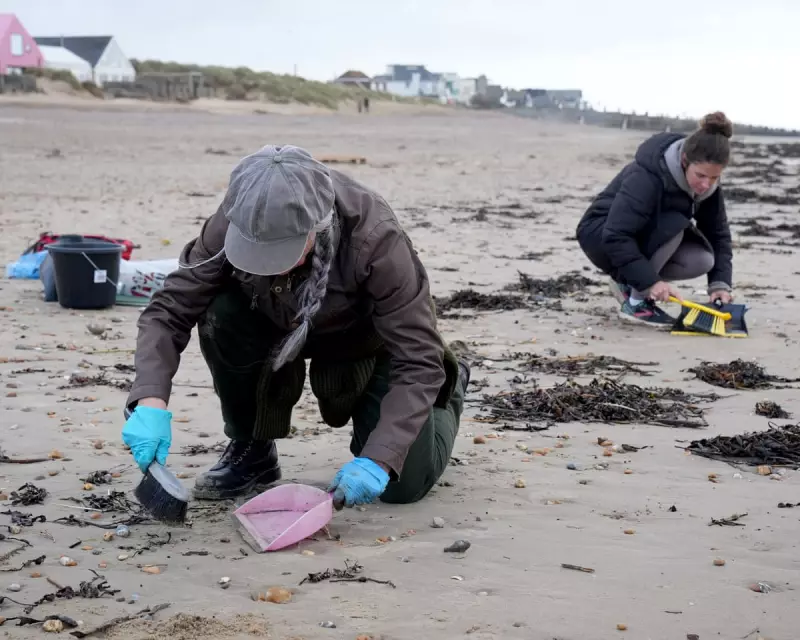
Anthony Skinner, who runs a kitesurfing company at Camber Sands, has been among 175 volunteers spending days on their hands and knees using sieves, tweezers and dustpans to clean the beach. "I was one of the first on the site," Skinner told the meeting. "I've been raking the seaweed to expose the beads underneath. Our beauty spot has been tainted."
The timing couldn't be worse for the local economy. Hastings and Rye is the most deprived constituency in Kent and heavily relies on tourism. There are also serious concerns about the impact on the already struggling fishing industry, as the beads are toxic to marine life.
Andy Stuart, the mayor of Rye, highlighted the additional burden on local fishers: "The fishers are having a hard time already, and now they have these toxic beads to put up with."
Southern Water's Response and Customer Anger
John Penicud, Southern Water's managing director of wastewater, told the meeting that the Eastbourne treatment site was "built in the year 2000" and that a screen on the tank holding tonnes of plastic beads had broken. The beads are used to filter sewage water at five of Southern Water's treatment centres.
Penicud apologised for the spill and committed to paying for the cleanup, but confirmed that some costs would be passed to customers through their bills. This revelation comes after Southern Water customers received the highest bill increase in the country this year, with rates rising by an average of 47%.
He explained that newer treatment plants no longer use the problematic beads, instead employing membrane technology. However, for the residents of Camber Sands and surrounding areas, this technological update comes too late.
Despite the overwhelming scale of the pollution, volunteers continue their painstaking work to remove as many beads as possible from the beaches. As MP Helena Dollimore concluded, "I think the incident is probably one of the biggest plastic pollution incidents in this country ever, definitely one of the biggest on the south coast of England in history. And it's really serious."