Coastal Catastrophe: The Hidden Threat of Sewage Plant Bio-Beads
An environmental disaster is unfolding along England's picturesque south coast, where at least 15 sewage treatment plants continue using the same hazardous plastic bio-beads that recently spilled onto Camber Sands beach. Guardian analysis reveals these facilities, operated by Southern Water, South West Water, and Wessex Water, rely on billions of floating plastic beads for water purification - a method environmental experts describe as dangerously outdated.
The Scale of the Problem
The government and regulators astonishingly keep no official records of which water companies use these plastic beads, where the treatment works are located, or how many are in operation. A government spokesperson confirmed this information gap, stating it was considered "a matter for water companies" rather than requiring national oversight. This revelation comes after Southern Water's Camber Sands plant spilled an estimated 650 million bio-beads in early November due to a failed mesh screen.
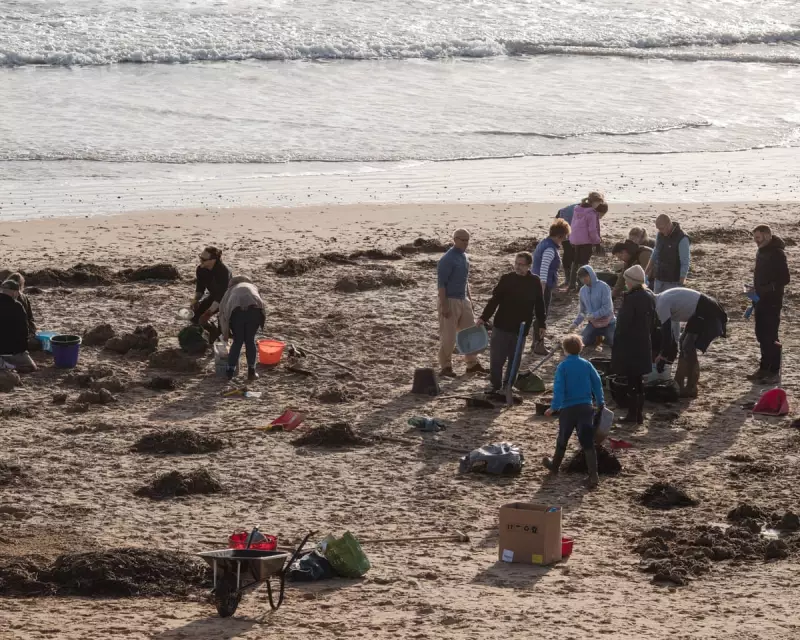
The contaminated beads have since travelled along the Sussex coastline, polluting beaches from Hastings to Dungeness and embedding themselves in shingle beds and salt marshes around the area. Southern Water has apologised for the incident and committed to funding cleanup operations, but the damage may be long-lasting.

Why Bio-Beads Pose Such Danger
These tiny plastic beads create layers of biofilm containing bacteria that help purify water in treatment tanks. However, all that prevents billions of these beads from escaping into the environment is a simple mesh screen. When these screens fail, the consequences can be catastrophic for marine ecosystems.
Rob Abrams of Surfers Against Sewage explains the severity: "Once released, bio-beads behave like any other microplastic: they can be ingested by fish, seabirds and shellfish, enter the food chain, carry harmful pollutants on their surface, and pose risks to human health." The risk is particularly acute because many facilities using this technology are located directly on the coast.
Scientific analysis reveals these beads contain high levels of polycyclic aromatic hydrocarbons, substances linked to cancer, along with other toxins including lead, antimony and bromine. Once in seawater, they attract algae that makes them smell like food to marine creatures, leading to ingestion and potential poisoning.
Locations at Risk and Company Responses
The affected sewage works are concentrated in some of England's most cherished coastal areas, including:
- Exmouth, Devon
- Porthleven, Cornwall
- Lyme Regis, Dorset
- Peacehaven, East Sussex
- Gorran Haven, Cornwall
Most facilities using this technology were built approximately 30 years ago, and water companies appear reluctant to invest in necessary upgrades. John Penicud, Southern Water's wastewater managing director, acknowledged that newer plants constructed since the early 2000s use membrane technology instead of plastic beads, but blamed government priorities for not retrofitting older sites.
Meanwhile, South West Water has taken a different approach - rather than phasing out the beads entirely, they've replaced smaller beads with larger versions they claim are less likely to escape. Claire Wallerstein of the Cornish Plastic Pollution Coalition expressed concern about this strategy: "We are very concerned that South West Water is using new beads to extend the use of these old wastewater plants beyond their planned 30-year lifespan - we fear this is a recipe for potential disaster."
The situation highlights the vulnerability of England's coastal communities, which have often failed to receive adequate investment in recent decades. As Helena Dollimore, MP for Hastings and Rye, stated: "Southern Water revealed that modern treatment works don't use them. So why is our coastline being put at risk? Our area, and especially our wildlife, will be dealing with these beads for many months to come." With climate change increasing storm frequency and intensity, the risk of further catastrophic spills continues to grow.