Yosemite's Firefall Phenomenon: A Natural Light Show Captivates Visitors
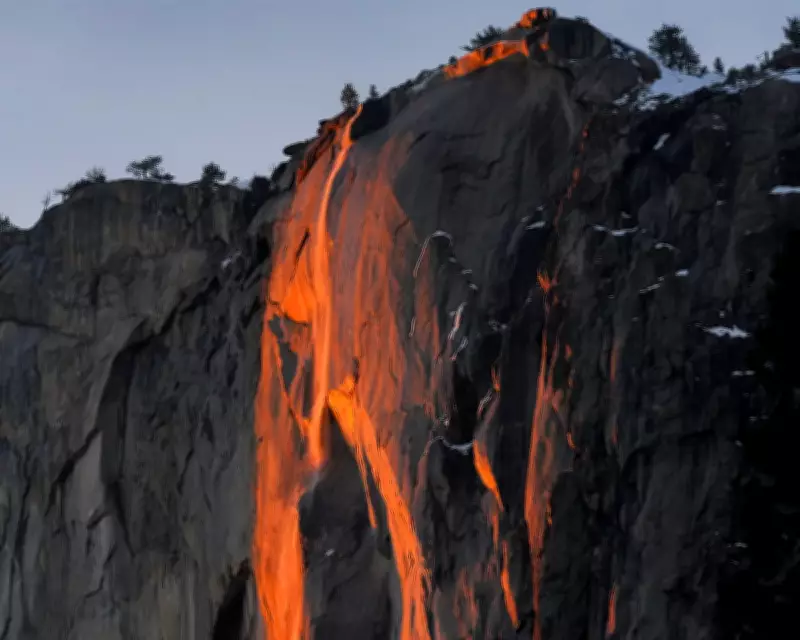
Each February, Yosemite National Park in California becomes the stage for one of nature's most breathtaking displays: the Firefall. This annual event sees Horsetail Fall, a seasonal waterfall on the eastern edge of El Capitan, illuminated by the setting sun in a way that makes it appear to glow like flowing lava. The phenomenon, which typically occurs for about two weeks in mid-to-late February, draws thousands of photographers, tourists, and nature enthusiasts to witness the spectacle, creating a vibrant atmosphere in the park.
The Science Behind the Spectacle
The Firefall effect is a precise alignment of natural elements. Horsetail Fall, which flows only when there is sufficient snowmelt or rainfall, must be active. At sunset, the angle of the sun's rays hits the waterfall perfectly, casting a brilliant orange and red hue that mimics fire. This requires clear skies to the west, allowing unobstructed sunlight, and specific weather conditions that are often unpredictable, adding to the event's allure and rarity.
Park officials note that the timing can vary slightly each year based on snowfall and temperature patterns, but it generally peaks around the third week of February. The best viewing spots are near the El Capitan picnic area, where crowds gather early to secure a prime location, often leading to temporary congestion and increased park visitation during this period.

Impact on Tourism and Conservation
The Firefall has significantly boosted tourism to Yosemite, with local businesses reporting a surge in bookings for accommodations and guided tours. However, this popularity also presents challenges for park management. In recent years, measures have been implemented to manage the influx, including shuttle services, restricted parking, and educational campaigns to promote responsible viewing and minimize environmental impact.
Conservationists emphasize the importance of preserving the natural setting that makes the Firefall possible. Efforts include trail maintenance to prevent erosion and guidelines for visitors to stay on designated paths, ensuring that the phenomenon can be enjoyed by future generations without degrading the park's delicate ecosystems.
A Cultural and Photographic Icon
Beyond its natural beauty, the Firefall has become a cultural icon, featured in numerous photographs, documentaries, and social media posts that highlight Yosemite's wonders. It serves as a reminder of the awe-inspiring power of nature and the importance of protecting such landmarks. For many, witnessing the Firefall is a bucket-list experience, symbolizing the intersection of art, science, and adventure in the great outdoors.
As climate change affects weather patterns, there is ongoing discussion about the long-term sustainability of the Firefall, with researchers monitoring how shifts in precipitation and temperature might alter its occurrence. For now, though, it remains a must-see event that continues to enchant all who behold it.