While many gardeners eagerly await the cheerful bloom of daffodils each spring, a different kind of plant truly signals the season's arrival for those with a culinary bent. Edible alliums, particularly wild garlic, offer not only a vibrant green presence but also a powerful flavor to enhance your cooking. Unlike ornamental bulbs that may dwindle without annual replanting, these wild relatives provide a sustainable, delicious harvest year after year.
The Allure of Edible Wild Alliums
For the gardener who values both aesthetics and utility, wild alliums represent the perfect marriage of form and function. While numerous wild plants are technically edible, few deliver the reliable, palatable experience of this group. The key lies in proper identification and responsible foraging practices. Always ensure you have correctly identified the plant, have permission to pick, and leave ample growth behind to sustain the population.
Wild Garlic: The Woodland Treasure
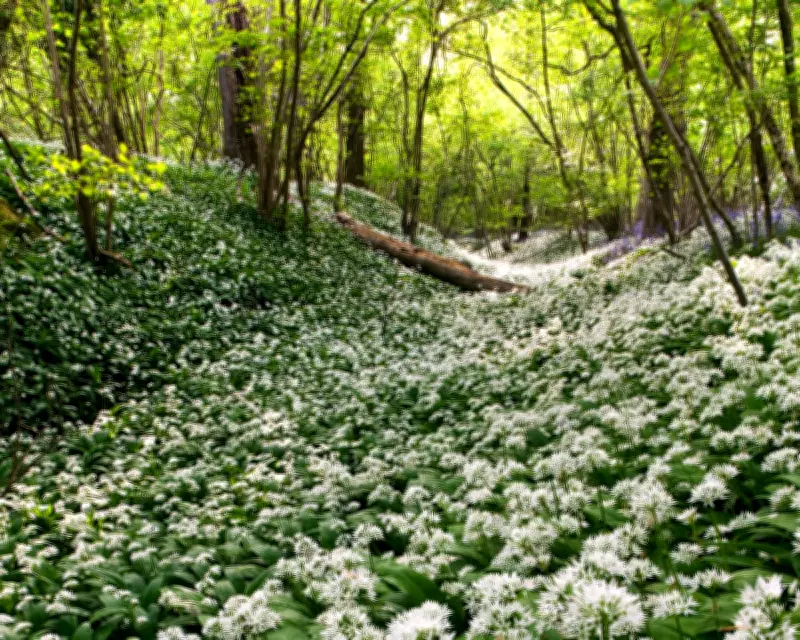
The most celebrated member of this family, wild garlic (Allium ursinum), carpets woodland floors with its broad, pungent leaves and clusters of delicate white, star-shaped flowers. Both leaves and blossoms are edible, though it's considerate to leave most flowers for essential pollinators. This strongly flavored plant makes an excellent substitute for spinach in various dishes, from pestos to sautés. Its unmistakable garlic aroma when crushed provides a natural confirmation of its identity.

Crow Garlic: The Subtle Garnish
Less conspicuous but equally valuable, crow garlic (Allium vineale) often goes unnoticed in grassy areas. Resembling slender chives with a duskier green hue, this allium releases a distinct onion scent when its leaves are crushed. While not as substantial as wild garlic for bulk cooking, it serves as a perfect flavorful garnish, adding a subtle allium note to finished dishes.
Three-Cornered Leek: The Prolific Producer
Three-cornered leek (Allium triquetrum), identifiable by its long, ridged leaves and bell-shaped white flowers, grows with remarkable vigor. Though its flavor may be less refined than wild garlic, its abundance compensates. This plant spreads so aggressively that planting it in the wild is actually prohibited in many areas. In the garden, its leaves can be used wherever greens are called for, providing a reliable, if somewhat assertive, harvest.
Cultivating Wild Alliums Responsibly
Introducing wild garlic to your garden requires thoughtful consideration. While bulbs or divisions from established plants (never wild-dug) can be planted, these species tend to spread enthusiastically. Without proper boundaries, they may overtake other plantings. However, for many gardeners, the joy of seeing these edible signs of spring return annually outweighs containment concerns. Their resilience and flavor make them welcome additions to any garden focused on both beauty and bounty.