A New Appreciation for the Common Primrose
I always dismissed primroses as boring and twee, but I was wrong. Monty Don loves these harbingers of spring, and I'm beginning to think he is on to something. When I was a child, I was always mystified by the walks around the garden that my father and grandfather would undertake shortly after the latter arrived to visit. I'd see them as I was playing outside, or through the window from inside, and be baffled. What could they possibly be looking at?
A Generational Shift in Perspective
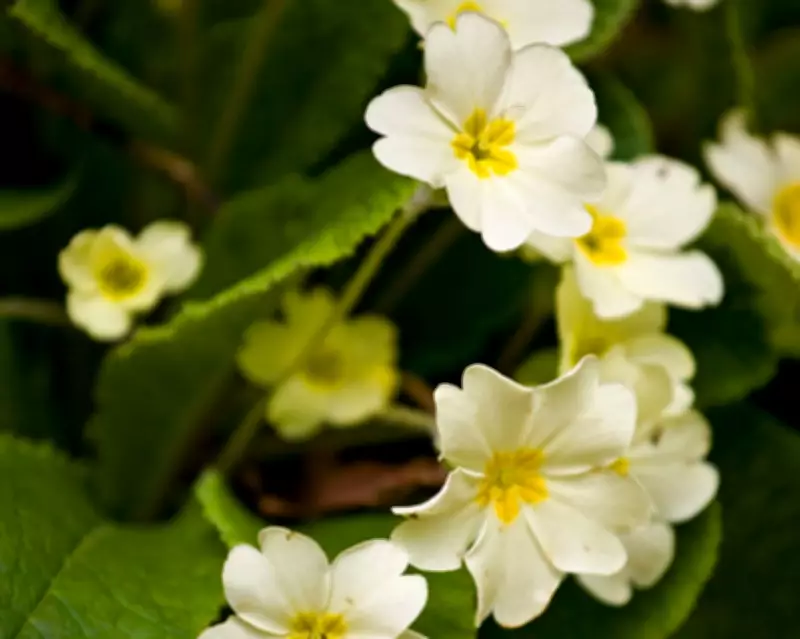
Fast-forward three decades, and I'm the one pinching my mum's clogs to inspect my parents' dinky and beautifully appointed garden. My dad's complaining about the hellebores, which haven't naturalised as well as in the garden I used to watch him walk his father around. It's something else that catches my eye: the bold, bright green crown of leaves of a primrose, Primula vulgaris, ready to bloom. In the midst of a drizzly, gloomy month, there it was: a beacon of hope.
It was also a harbinger of what I suspect might be middle age. Primula is a sprawling genus, but I'm talking about the common primrose – something I've never loved. They're easily dismissed as rather frumpy, due to an unfortunate habit of appearing on greetings cards and embroidered on to handkerchiefs. Those minimalist five-petalled flowers with yolky middles have long been associated with a more Enid Blyton aesthetic in my mind.

Deep Symbolism and Cultural Significance
It's partly, I think, because they are one of the UK's most familiar native flowers, with symbolism that runs deep. After the snowdrops, they're the first spring flowers to appear in our boggy verges and woodlands – their name descends from the Latin prima rosa, for first rose. Monty Don said they're his favourite flower, as they herald the start of spring. Shakespeare, meanwhile, looked to those big floppy leaves in Hamlet, when Ophelia warns against heading down the 'primrose path of dalliance', which sounds quite fun. Perhaps they're more rock'n'roll than I've given them credit for.
Recontextualising the Primrose
As with many over-familiar plants, whip primroses out of their traditional context and they become something else entirely. I remember being charmed by them popping up – because they do pop up, that's one of the things that's so great about them – in the artfully scrubby courtyard of a garden designer I visited last spring, alongside dandelions and daisies. How simple, how clever, how wonderfully un-twee.
Veer away from the brightly coloured ones rammed into windowboxes and you're on to a winner. Primroses love shade and hate to dry out, so plant them somewhere that will hold on to that winter damp. Leave them to go to seed and the wild ones will cross-pollinate, leading to clumps of white, brighter yellow, and even pink-hued flowers to surprise you at the end of a long winter.