Downing Street Opens Doors to Content Creators in Bold Media Move
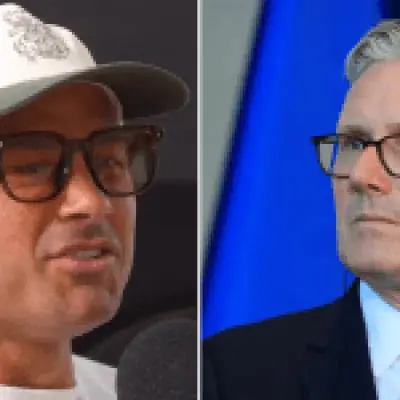
In a significant shift, Number 10 has welcomed online content creators into the heart of government, marking a new chapter in political communication. This initiative, part of Labour's evolving social media strategy, aims to bridge gaps in public trust and news dissemination.
A New Era of Government Engagement
Last year, Downing Street took the unprecedented step of inviting creators from diverse fields such as science, education, and travel to cross its iconic threshold. Upon entry, their personal devices were swapped for government-approved ones to maintain security, allowing them to document their experience. These events included networking sessions and off-the-record breakfasts, designed to explore collaborations for reaching younger and broader audiences.
The New Media Unit at No 10 has focused particularly on financial education creators, involving them in major policy launches and events. For instance, Anna Brading, a personal finance creator, attended the spring statement briefing, a moment she describes as surreal, given her background in tutoring and family management.

Addressing Media Landscape Challenges
While some journalists criticized the move, questioning creators' expertise, No 10 argues it tackles two critical issues: widespread distrust in politicians and the growing reliance on content platforms for news. By leveraging trusted creators, the government aims to communicate policies more effectively.
Financial educator Rotimi Merriman-Johnson, known as Mr MoneyJar, has produced videos on policies like minimum wage changes. He emphasizes that credibility builds over time, noting, "Every additional year you spend as a content creator, you become more trusted... It's about the person sharing the information."
Historical Context and Technological Adaptation
This initiative reflects a long tradition of media evolution in British politics. Since the 1870s, lobby journalists have had access to parliament, but now, with social media transforming into content platforms, institutions are adapting. From Myspace to Instagram, these spaces have shifted from social networking to expert-driven content hubs.
Diane Banks, CEO of Northbank Talent, observes, "We are in the age of the expert content creator." These creators often position themselves as apolitical experts, aligning with the Starmer government's technocratic approach. Creator Cameron Smith states, "When I go into these rooms I'm representing my audience's interests, not the interests of political parties."
Balancing Access and Accountability
Creators acknowledge the delicate balance between advocating for their audiences and maintaining government access. In an era of financial anxiety, this tension is palpable. While major news outlets are hard to ignore, individual creators risk being sidelined if they don't cooperate.
Mat Gay notes, "It's a difficult question... to me it's more important to just get them to the table." Gabriel Nussbaum reports initial rigidity from officials, but sees increasing freedom to question politicians. A government spokesperson confirmed, "We are engaging with content creators... to reach new audiences and ensure we are held to account."
Looking Ahead: Trust and Influence
These creators demonstrate diligence and a focus on policy over politics, reminiscent of trusted figures like Martin Lewis, who transitioned from journalism to consumer advocacy. As the media landscape continues to evolve, content creators may play a pivotal role in demystifying government actions for the public.
This strategy not only modernizes political communication but also highlights the ongoing negotiation between innovation and tradition in Westminster's halls.