
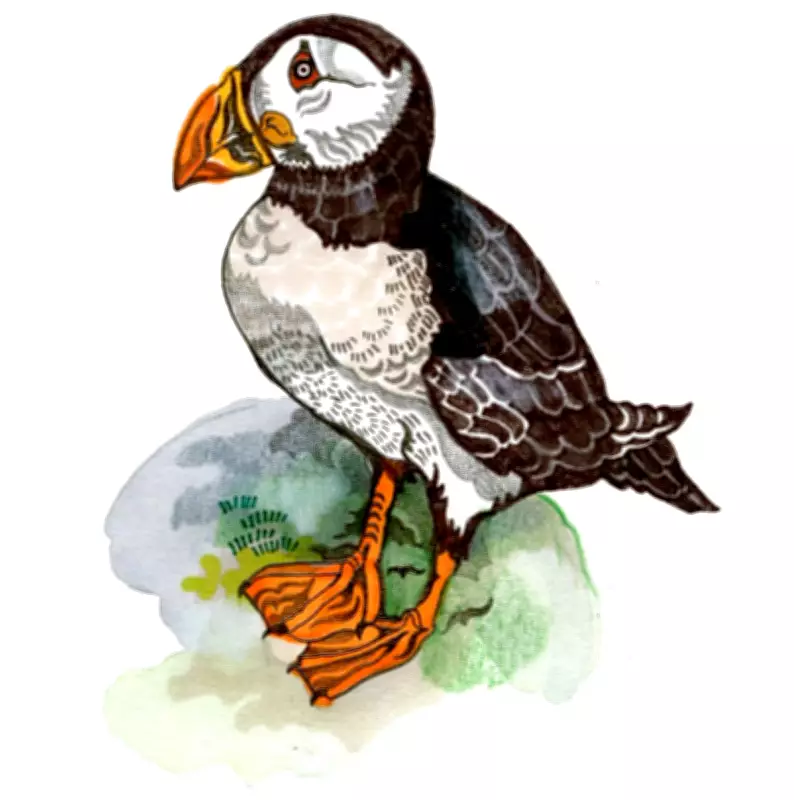
Puffin Beaks, Velcro Secrets: The Ultimate Kids Science Quiz
Why do puffins have striped beaks, and how does Velcro stick? These are just a couple of the fascinating questions that spark curiosity in young minds. In this engaging quiz, we delve into the science behind everyday wonders and natural phenomena, making learning fun and accessible for children.
The Mystery of Puffin Beaks
Puffins, those charming seabirds often spotted in coastal regions, are known for their brightly colored, striped beaks. But what's the purpose behind these vibrant patterns?
- Communication: The stripes on puffin beaks play a crucial role in communication, especially during mating seasons. They help puffins recognize each other and attract mates.
- Camouflage: While puffins might seem flashy, their beak colors can blend with the ocean and sky, offering some protection from predators.
- Health Indicator: The brightness of a puffin's beak can signal its health and vitality, making it an important factor in social interactions.
Understanding these aspects not only satisfies curiosity but also highlights the intricate ways animals adapt to their environments.
How Velcro Sticks: A Simple Yet Ingenious Invention
Velcro, that handy fastener found on shoes, bags, and clothing, has a clever design inspired by nature. Here's how it works:
- Hook and Loop System: Velcro consists of two strips: one with tiny hooks and another with loops. When pressed together, the hooks catch onto the loops, creating a strong bond.
- Natural Inspiration: The inventor, George de Mestral, got the idea after noticing burrs sticking to his dog's fur during a walk in the 1940s. He mimicked this mechanism to develop Velcro.
- Versatility: This simple yet effective system is used in various applications, from aerospace to everyday items, showcasing how observation can lead to innovation.
Explaining this to kids demystifies technology and encourages them to look closely at the world around them.
Why Quizzes Are Great for Learning
Quizzes like this one are more than just fun; they're powerful educational tools. They engage children by turning facts into interactive challenges, fostering a love for science and discovery. By exploring topics such as puffin biology and Velcro mechanics, kids develop critical thinking skills and a deeper appreciation for both nature and human ingenuity.
So, next time you see a puffin or fasten a Velcro strap, remember the science behind it—and share these insights with the young learners in your life!



