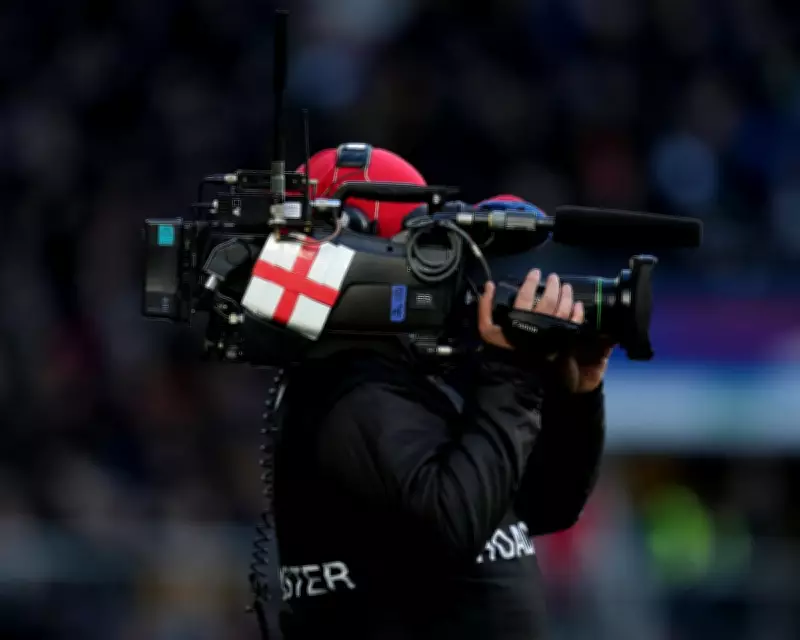
The Changing Face of Rugby Broadcasting
The traditional model of watching rugby on television is undergoing a profound transformation. What was once dominated by satellite channels and free-to-air networks now faces intense competition from streaming giants who have fundamentally altered the global sports broadcasting landscape. Netflix and Amazon Prime, originally a DVD postal service and online bookstore respectively, have emerged as significant players in sports media, placing established broadcasters like TNT Sports under considerable pressure to retain their subscriber bases.
The New Broadcasting Battleground
During the last Super League off-season, one journalist managed to stay completely connected to live sports without any satellite or cable access. Through a combination of free-to-air networks and subscriptions to Premier Sports, Prime Video, and Netflix, they enjoyed comprehensive coverage of rugby union, football, cricket, NFL, and NBA—all for less than the cost of a traditional Sky Sports or TNT subscription. This experience highlights the fundamental question facing rugby fans: how will increased competition between broadcasters affect viewers of both rugby league and union?
ITV's Strategic Moves in Rugby Union
ITV has significantly expanded its rugby union coverage through strategic rights acquisitions. The broadcaster has secured rights to ten Six Nations matches (with the BBC showing the remaining five) and the new Nations Championship featuring the world's twelve best teams. This represents a significant coup, as TNT Sports—which previously showed the autumn internationals—was widely expected to win rights to the new competition. TNT reported 35% growth in Premiership audiences earlier this season, but losing the autumn matches to ITV and European club rugby to Premier Sports prompted them to increase their Premiership deal from £33 million to £40 million annually for five years.

With sport representing TNT's sole offering, and having lost the Champions League to Paramount plus the Europa League and Conference League to Sky, the company has acknowledged the need to reduce subscription fees to remain competitive. This represents a significant shift in the broadcasting power dynamics that have long governed rugby coverage.
Rugby League's Broadcasting Future
The Rugby Football League is pursuing a "balance between free-to-air, subscription TV and streaming broadcast rights" with "new packages created to improve broadcast revenues." This strategy involves broadening beyond Sky Sports, despite Super League viewing figures increasing by 52% in 2025. While British rugby league has maintained loyalty to Sky since News Corporation fueled the Super League revolution three decades ago, the BBC now shows fifteen games per season.
Both companies are currently negotiating the next Super League rights deal, with a third party—likely DAZN, which holds NRL rights—creating what RL Commercial chief Nigel Wood described as "a competitive market." Sky subscribers currently enjoy every Super League match plus several NRL games weekly, State of Origin, and international fixtures. RL Commercial hopes to secure a "marginal increase" on the £21 million Sky was paying annually, potentially reaching closer to £30 million with BBC paying for one game per round and DAZN picking up the remainder.
The Rising Cost of Rugby Viewing
British rugby league fans can currently watch everything for approximately £500 annually, but next season this figure may approach the £700 that union fans pay for two subscriptions plus the BBC license fee. While this seems reasonable compared to the £1,000 that Premier League fans with Champions League-qualified teams will pay next year, it has contributed to the proliferation of illegal streaming devices. The NFL's strategy of selling games to multiple broadcast partners has proven spectacularly successful, with each game now generating $50 million in global TV revenue—nearly equivalent to Super League and Premiership Rugby's combined deals last year.

Terrestrial Broadcast Challenges
The BBC's scheduling of its first five Super League games this season illustrates the challenges facing terrestrial broadcasters. Spread across different days from Thursday to Sunday over eleven weeks on various channels, the first match—Castleford versus Wigan—was not only hidden on iPlayer but scheduled directly against Wales versus France in the Six Nations on BBC1. Similarly, ITV's coverage of the Premiership suffers from sporadic scheduling, with its seven live games difficult to locate for casual viewers.
This represents a missed opportunity to capture young viewers in households without satellite sports channels. Notably, there was more NFL action on free-to-air UK television last year than club rugby union and league combined, benefiting from consistent scheduling on the same channel each Sunday.
Premier Sports' Niche Strategy
Premier Sports secured rights to rugby union's European club competitions—the Champions Cup and Challenge Cup—for the bargain price of £6 million annually, positioning itself as the self-proclaimed Home of Rugby (at least for club rugby union). Their approach is straightforward: offer extensive coverage at low cost. For approximately £10 monthly (less with various deals), subscribers gain access to every domestic and European game involving almost every team in the United Rugby Championship and French Top 14.
Premier now boasts 400 union games from eleven countries plus several international matches. However, the business lost over €4 million last year and needs larger subscriber numbers to make its model sustainable. When European competitions moved to Premier, rugby's supposed flagship competition disappeared from many fans' screens, as Premier had little more than a tenth of TNT's 4.3 million subscribers (Sky has over 6.4 million). The opening Champions Cup rounds featuring British or Irish teams attracted only around 25,000 viewers, though all-Irish URC matches are drawing six-figure audiences on Premier.
Streaming Giants Enter the Arena
While rugby fans can watch more matches than ever, the comprehensive coverage primarily serves existing enthusiasts. The real challenge lies in reaching people who don't realize they're interested in rugby. ITV attracting 5 million viewers for England's Six Nations matches is impressive but pales compared to streaming platforms' potential reach.
Netflix (starting at £6 monthly) and Prime (£9 monthly) seek substantial sports audiences rather than the thinly spread viewership of Sky or TNT. Prime's NBA audiences last year quadrupled those of TNT, and its Champions League football coverage regularly reaches five million viewers across Europe by showing only the tie of the week. Prime's sports offering represents just one component of a family-oriented entertainment package, making it economically compelling for households.
Potential Game-Changing Events
The NRL's State of Origin series, occupying three of Australia's top five most-watched television slots annually, could potentially attract streaming investment from Prime or even Netflix with its 325 million subscribers. Similarly, Thursday night's thrilling World Club Challenge would have been an ideal one-off event for leading streamers. Meanwhile, Warner is launching HBO Max in the UK and Ireland next month (predicted to cost approximately £5 monthly) and will migrate all TNT Sports content from Discovery+, joining the ranks of major streaming platforms.
The Future of Rugby Viewing
Appointment viewing has largely been reduced to reality television finales and live sports—as evidenced by craft beer pubs showing The Traitors final like a Six Nations match. However, social gatherings for major games may not be doomed. Younger viewers who currently consume sports primarily through phone clips will likely mature into the next generation of sofa-sitting, pub-going sports fans. The key for rugby's continued growth lies in ensuring the sport appears more frequently on those small screens that dominate modern viewing habits.