Red Hill Canberra: A Landscape of Personal Memory and Natural Beauty
What defines a favorite place if not the accumulation of our most cherished memories? When invited to write about such a location, journalist Paul Daley found himself drawn not to exotic international destinations, but to a familiar Australian hill in Canberra that has profoundly shaped his life.
The Enduring Pull of Red Hill
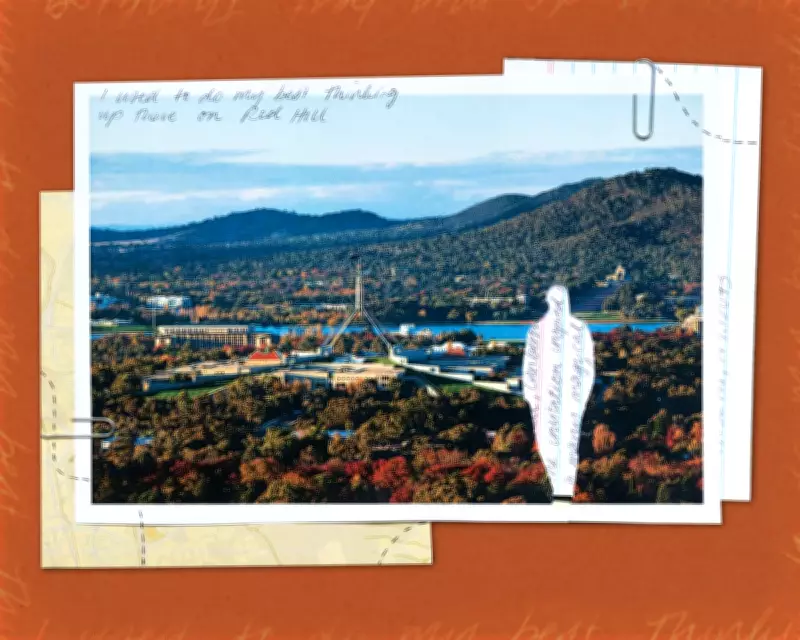
Despite no longer living in Canberra or visiting regularly, Red Hill remains vividly etched in Daley's consciousness. This elevated landscape with its walking tracks, scarred eucalyptus trees, and distinctive ochre soil continues to transport him through memory alone. The hill represents more than physical geography—it serves as a repository for decades of personal history.
From its summit, visitors can view the geometric design of Walter Burley Griffin's unrealized city plan for Canberra, along with national institutions like the library, war memorial, and galleries that symbolize Australia's federation. For Daley, this vantage point offered perspective both literally and metaphorically during his years working at Parliament House.
Canberra as Unexpected Sanctuary
Daley describes how Canberra—often criticized by coastal Australians for its quietness and unfinished quality—became an unlikely sanctuary for this former Melburnian. The bush capital, surrounded by forest and grassland, represents a domesticated version of the rugged Australian bush that many mythologize but few truly know.
"Once I broke through loneliness, and especially once I made another family, the quiet and the bush became a balm," Daley writes. "Meditative. Creatively inspiring." This transformation speaks to how environments can shape emotional and creative lives when given proper attention.
Canine Companions and Family Memories
The essay reveals how Red Hill served as a playground for both Daley's canine companions and his three children. His dogs—particularly Nari, a black Labrador with collie-like intelligence, and Ronda, who died recently at thirteen—feature prominently in these recollections. Dogs, Daley suggests, serve as poignant markers of time's passage.
Family memories intertwine with the landscape: children carried in pouches as infants, later exploring the hill's ecology, and eventually disappearing for hours with friends. Even Daley's youngest child visited the hill in utero just one day before birth, connecting family beginnings to this specific place.
The Hill as Living Memory
Red Hill represents what Daley calls "at once prosaic and so special"—an ordinary landscape made extraordinary through personal association. The walking tracks witnessed both joyful moments and poignant farewells, from children's discoveries to canine companions' final years.
This meditation on place suggests that our most meaningful locations aren't necessarily the most spectacular, but those where life's significant moments accumulate. Red Hill serves as both physical landscape and mental sanctuary—a place where memory and geography become inseparable.
Daley's reflection ultimately circles back to his opening question: "What is a favourite place if not one built upon our fondest memories?" Red Hill Canberra answers this through layers of personal history, family connection, and the enduring power of natural environments to hold our stories.