After weeks of low rainfall and exceptionally high temperatures, the UK is finally set to experience wet weather. Outbreaks of rain are expected in Northern Ireland, Scotland, western England, and Wales, with more unsettled conditions and thunderstorms forecast later in the week. While your garden may be desperate for a drink, an expert has revealed several steps to take before the heavens open.
Clear Gutters and Prepare Water Collection
Guy Barter, chief horticulturist at the Royal Horticultural Society (RHS), advises starting with the basics: ensure all water butts, pipes, and gutters are clear and ready to accept whatever rainfall comes. Even if torrential rain isn't expected, being prepared prevents overflow and maximizes water collection.
Loosen Compacted Soils
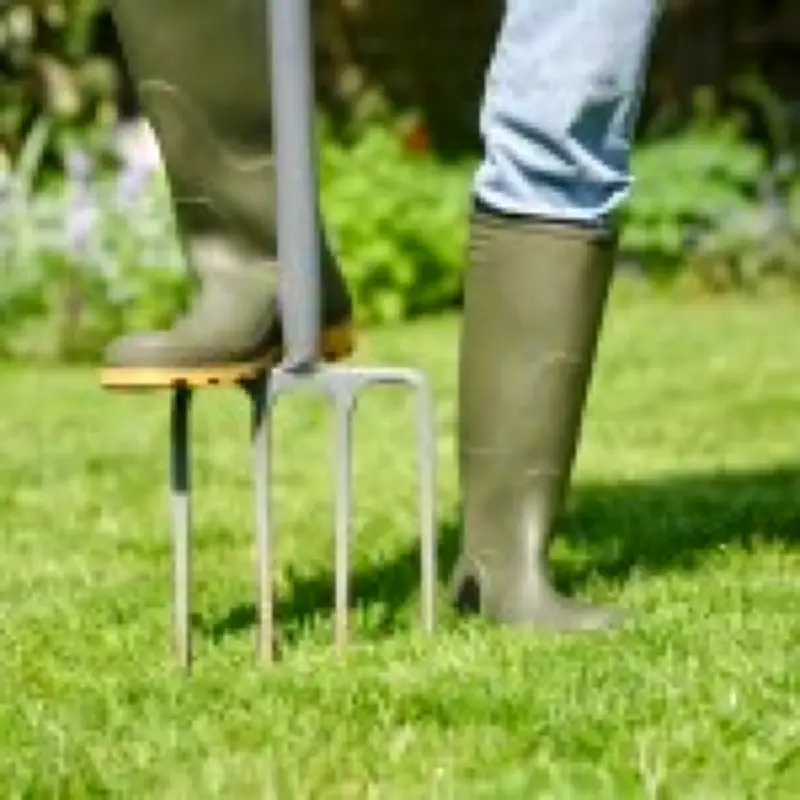
After weeks of drought, soil becomes dusty, compacted, and water repellent. Barter recommends loosening compacted soil with a fork or spade to improve water absorption. However, this does not apply to clay soils, which should be left alone.

"Clay soils develop alarming cracks in dry weather," Barter explains. "In effect they are, rather conveniently, digging themselves. Don’t attempt to fill in cracks with sand or soil. Excess rain here just runs into the cracks and is gone. The soil then swells, and the cracks disappear until the next period."
The Soaking Process
Apply coarse mulch such as bark or woodchips to bare soil to aid in the soaking process, but leave areas around trees and plants untouched so water can reach roots directly. Foliage will collect rain, which channels down trunks or stems into the roots, so plants don't need additional help.
Hold Off on Watering
According to Barter, it's best to suspend watering until storms pass, as wet soil has no room to accommodate more water. "With luck the rain will be enough to limit the need to resume watering, but in truth several wet days will be needed to do that," he says.
Avoid Mowing Grass
Resist the urge to mow long, dried grass. "Taller grass is good at stopping water run-off, and immobile water can overcome the water-repellent properties of turf in time," Barter explains. He also advises against cutting back perennials before rain and leaving spent vegetable plants alone to protect soil and wildlife.