For gardeners with limited space or time, the age-old challenge of dealing with kitchen scraps and plant waste can feel insurmountable. This was the precise dilemma facing a friend of mine, whose small garden lacked space for a traditional compost bin and whose local council offered no food waste collection.
What is Trench Composting?
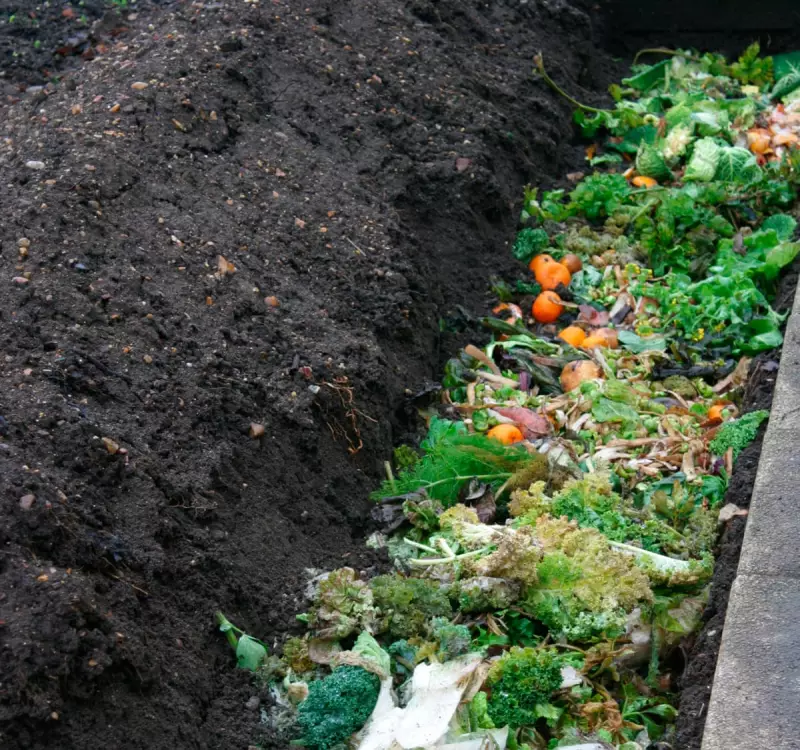
Trench composting offers a remarkably simple and effective solution. The process involves digging a trench, typically alongside a planned vegetable bed or growing area, and filling it with compostable materials. This includes fruit and vegetable peelings, garden plant matter, grass clippings, and fallen leaves.
Once filled and covered with soil, the organic waste is left to decompose naturally over the coming months. This slow breakdown enriches the earth, improving its structure and nutrient content, readying it for the next planting season with no further work required.

Key Benefits and Practical Tips
One significant advantage of this method is its forgiveness regarding material balance. Unlike traditional compost heaps, which can become stagnant if the mix of 'greens' (nitrogen-rich) and 'browns' (carbon-rich) is wrong, trench composting is far less fussy. While a mixture is still ideal, the ratios are not critical.
For the trench itself, some guidance suggests digging down to 60cm (approximately 2 feet) before adding waste. If opting for a shallower trench, it is wise to cover the area with a securely pinned tarpaulin to deter curious wildlife from digging up the nutritious contents.
Integrating Trench Composting into Your Garden Routine
Even advocates of no-dig gardening can find opportunities for this technique. It is perfectly suited for moments when soil is already being disturbed, such as when re-planting a perennial bed or undertaking extensive weeding. The key is to replace the soil layers as carefully as possible and avoid working the ground when it is waterlogged.
An ideal application is during the construction of new raised beds. By adding a layer of compostable material to the bottom before filling with soil, you create a hidden, slow-release nutrient bank without any extra digging later on.
Ultimately, trench composting stands out as a powerful, low-maintenance strategy for recycling garden and kitchen waste directly back into the earth. It bypasses the need for bins, turning and balancing, making it a superb option for time-poor gardeners or those with compact outdoor spaces.