The Environment Agency has released its latest water quality classifications for designated bathing sites across England, offering Londoners a clear guide to the cleanest and dirtiest waters for a summer swim. The data shows that while the majority of sites meet high standards, some popular day-trip destinations for London families have been rated 'poor'.
Top Ratings for London's Favourite Swimming Spots
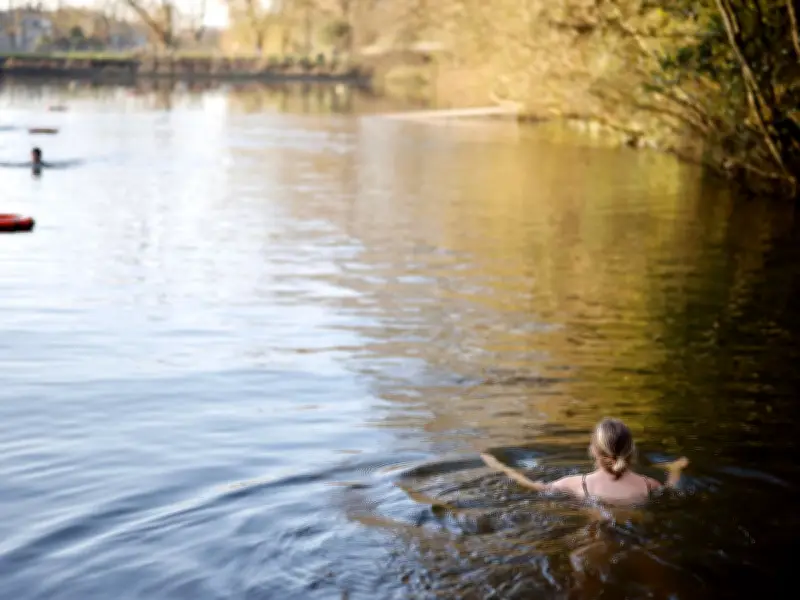
In London, the Serpentine in Hyde Park received a 'good' rating. At Hampstead Heath, two of the three bathing ponds—the Mixed Pond and the Men's Pond—achieved the top 'excellent' classification, while the Women's Pond was rated 'good'. These results will reassure the thousands of swimmers who use these historic ponds each year.
For those heading to the coast, Brighton Central Beach received a 'good' rating, while Brighton Kemptown and Hove both earned 'excellent' ratings. Margate's beaches in Kent also performed well, with a mix of 'good' and 'excellent' ratings.

Poor Ratings at Popular Day-Trip Beaches
However, not all popular spots fared well. Bognor Regis, a classic seaside destination for Londoners, received the lowest classification of 'poor', while Bognor Regis East only managed a marginally better 'sufficient' rating. This means swimmers at these beaches face a higher risk of encountering pollution.
Across England, 32 bathing locations were given the lowest possible water quality classification. The Environment Agency's annual assessment places each site into one of five categories: Excellent, Good, Sufficient, Poor, or Bad. The overwhelming majority of sites achieved 'excellent' (66%) or 'good' (21%) ratings, leaving 6% as 'sufficient' and 7% as 'poor'.
Full List of 'Poor' Rated Bathing Sites
The complete list of locations with 'poor' water quality includes: Tynemouth Cullercoats in North Tyneside, Littlehaven Beach in South Tyneside, Derwent Water at Crow Park in Cumberland, Haverigg in Cumberland, Blackpool North, River Ribble at Edisford Bridge, Nidd at the Lido in Knaresborough, Scarborough South Bay, Wharfe at Cromwheel in Ilkley, Wharfe at Wilderness Carpark in Leeds, River Severn at Ironbridge, River Teme in Ludlow, River Severn in Shrewsbury, Sheep's Green on the River Cam in Cambridge, Wolvercote Mill Stream in Oxford, Bognor Regis (Aldwick), Worthing Beach House, Southsea East in Portsmouth, River Avon at Fordingbridge, Dymchurch, Littlestone, Weston-super-Mare Uphill Slipway, Weston Main, Weston-super-Mare Sand Bay, Lyme Regis Church Cliff Beach, River Frome at Farleigh Hungerford, River Tone at French Weir Park, Dunster Beach, Blue Anchor West, Stoke Gabriel on the Dart Estuary, Steamer Quay on the Dart Estuary, and Coastguards Beach on the Erme Estuary.
Implications for Swimmers and Families
For London families planning a trip to the seaside, these ratings provide essential information. Swimming in 'poor' rated water can increase the risk of illness, particularly for children and vulnerable individuals. The Environment Agency advises checking the latest water quality signs at beaches and avoiding swimming for 48 hours after heavy rainfall, as pollution levels can rise.
The data, reported by the Liverpool Echo, underscores the importance of regular monitoring and investment in water infrastructure. While many sites meet high standards, the 7% rated 'poor' highlights ongoing challenges in maintaining clean bathing waters across England.
Looking ahead, local authorities and environmental groups are calling for greater efforts to reduce agricultural and sewage pollution, which are major contributors to poor water quality. For now, Londoners can make informed choices using the Environment Agency's interactive map, ensuring their summer swims are both enjoyable and safe.