King Charles III Inaugurates World's Longest Managed Coastal Path
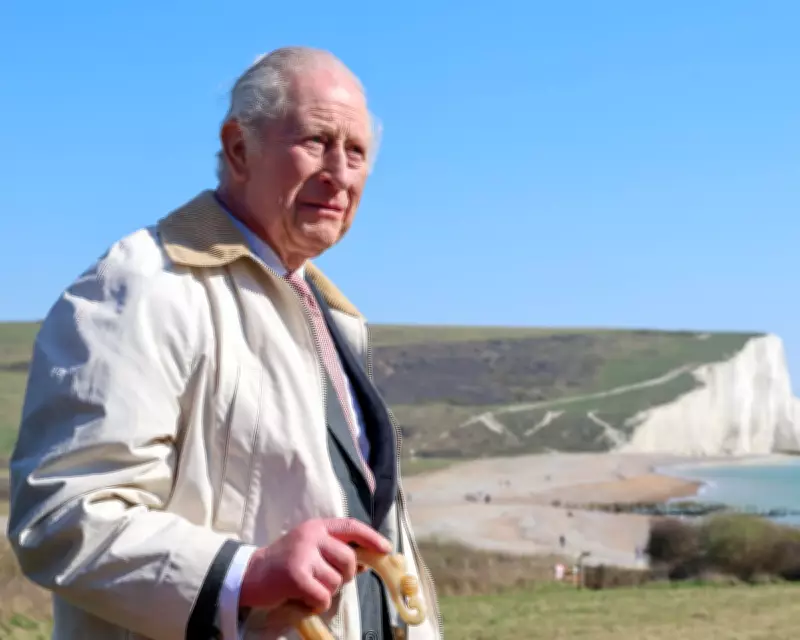
King Charles III has officially opened the world's longest managed coastal walking route at the Seven Sisters cliff walk, marking a significant milestone in an 18-year project spanning 2,689 miles (4,328km). However, the celebration is tempered by the reality that approximately 20% of the King Charles III England coast path remains inaccessible to the public due to ongoing disputes with landowners, concerns about coastal erosion, and a suspended ferry service.
An 18-Year Journey Involving Seven Prime Ministers
The ambitious coastal path project was initiated during Gordon Brown's government, with legislation brought forward by then environment secretary Hilary Benn. Over nearly two decades, the initiative has seen the involvement of seven prime ministers, yet no definitive date has been set for full public access to all sections. According to Natural England, while much of the route already existed, the project has added 1,000 new miles of paths and enhanced existing ones with resurfaced trails, removed stiles, and new boardwalks.
Tony Juniper, chair of Natural England, stated: "Following 16 years of hard work from the Natural England team we are delighted to reach this landmark point for the King Charles III England coast path. It is testament to how public enjoyment, conservation, heritage, history and community can come together, helping make life better for millions of people."

Landowner Objections and Legal Challenges
Despite legislation passed during Brown's administration granting the government legal rights over landowners' property for public access, the process has been slow and contentious. Natural England has faced a range of complaints from landowners, including:
- Farmers worried about marauding cows potentially harming walkers
- Hotels objecting to public access across their lawns
- Concerns about property devaluation without compensation
- Safety risks in marshland areas
The Marine and Coastal Access Act 2009 established the complex coastal access scheme, but implementation has proven challenging. Natural England aims to have much of the remaining closed sections open by year's end, though negotiations continue.
Regional Challenges and Specific Obstacles
Several key areas face particular difficulties in achieving full public access:
- Jurassic Coast: Parts of this striking southwestern coastline remain closed due to local objections about wildlife impacts, farming concerns, and tourism business considerations, compounded by coastal erosion issues.
- Hythe Ferry Route: The ferry connecting Southampton and Hythe, suspended since August 2024 due to pontoon damage, forms part of the coastal path and remains closed indefinitely.
- North Norfolk Coastline: The section from Weybourne to Hunstanton is off-limits as Natural England negotiates with landowners including a hotel. The agency wants to use part of the hotel's grounds to create a meadow walking route rather than a roadside path. Additionally, dog bans have been implemented in some areas after objections about dogs near seal populations.
- Cumbrian Route: The path between Gretna and Allonby is being redrawn after landowners objected to the original plan as dangerous, citing risks of stampeding cattle, property devaluation, and marshland drowning hazards. The new proposed route will run alongside a road in parts.
- Isle of Wight: Most of this island's coastal path remains closed due to coastal erosion and a debate with English Heritage about access to the Osborne estate, where Queen Victoria lived. The charity opposes the route on security grounds due to treasures housed at Osborne.
Criticism from Countryside Alliance
Tim Bonner, chief executive of the Countryside Alliance, criticized the project's implementation: "The idea that the English coast path is a success is farcical. The legislation imposed ridiculous burdens and expense on those left to implement it whilst alienating landowners who are understandably concerned about losing their rights over large areas of land."

Bonner contrasted the English approach with Wales, where the government created a simpler coast path using existing legislation and agreement with landowners, completing it in 2012 with compulsion as a largely unused backup.
Despite these challenges, the opening of the King Charles III England coast path represents a significant achievement in creating public access to England's coastline, though the journey toward complete accessibility continues with ongoing negotiations and environmental considerations.