Houseplant Hack: Can a Fan Really Help Plants Repel Pests?
While most plant care advice zeroes in on light, water, and soil, air circulation often gets overlooked. Stagnant indoor air is a surprisingly common culprit behind houseplant struggles, leading to issues like fungal spots, mould on compost surfaces, and pest infestations such as mealybugs. In summer, we might open windows, but in winter, airflow is frequently neglected, creating a challenging environment for indoor greenery.
The Science Behind the Hack
Running a small fan near your houseplants is touted to enhance stem strength, discourage mould growth, and reduce pest pressure. In natural settings, plants experience constant gentle movement from wind, which a fan can replicate indoors. This gentle airflow mimics outdoor conditions, promoting healthier growth and resilience.
How to Implement the Method
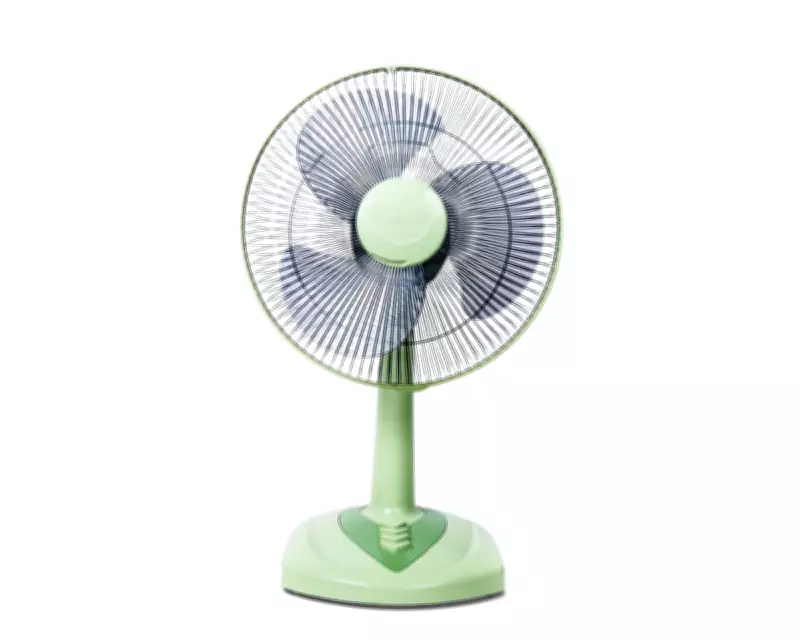
You do not need to blast your plants with strong air currents. A small desk fan set to its lowest setting is sufficient. Position it to one side rather than aiming it directly at the foliage to avoid damage. Run the fan for a few hours each day rather than continuously to simulate natural breezes. However, keep it away from plants already exposed to dry air from radiators, as this could exacerbate dehydration.

Real-World Test Results
In a practical test, a small fan was added to a home office desk housing a Begonia rex. The plant had begun showing early signs of powdery mildew, but after using the fan, the spread halted. The soil surface remained cleaner, and new stems emerged noticeably firmer, demonstrating the hack's effectiveness in improving plant vitality.
The Verdict on This Gardening Trick
A fan will not rescue an unhealthy or neglected plant, but it does create superior growing conditions and acts as a pest deterrent, especially in stuffy homes. This is one of those hacks that might seem unnecessary until you try it, offering a simple, low-cost solution to enhance indoor plant care. By addressing airflow, gardeners can foster a more robust environment for their houseplants, reducing common issues and promoting overall well-being.