With the Met Office forecasting highs of 32°C on Sunday, August 9, followed by 29°C on August 10 and 11, and 31°C on August 12 and 13, holidaymakers heading off in the next fortnight must prepare their gardens to survive the scorching conditions. The brief rain on August 4 and 5 has done little to restore the nation's straw-like lawns, and sudden heat after a wet spell can actually 'catch plants out' badly, according to David Denyer, a flower expert at Eflorist.
Move Plants Away from Direct Sunlight
Denyer recommends shifting indoor plants to a cooler, more shaded spot, ensuring they still receive indirect sunlight. 'Shift your houseplants to a cooler, more shaded spot, ensuring you still have some indirect sunlight reaching them,' he says. Overexposure to intense heat and extra sunlight can dry them out, so this simple move can be crucial.
Invest in Self-Watering Accessories
Consider self-watering globes or DIY clay spikes. Denyer advises using a glass bottle rather than plastic to avoid microplastics in the soil. 'Simply screw or secure it onto the top of the bottle, flip it upside down, and stick it into the soil,' he explains. 'By adding this, it means the clay will only let water out when the soil's dry enough to actually need it, so your plant gets a drink only when it's thirsty.' Alternatively, poke small holes in the bottle cap for slow, continuous hydration.

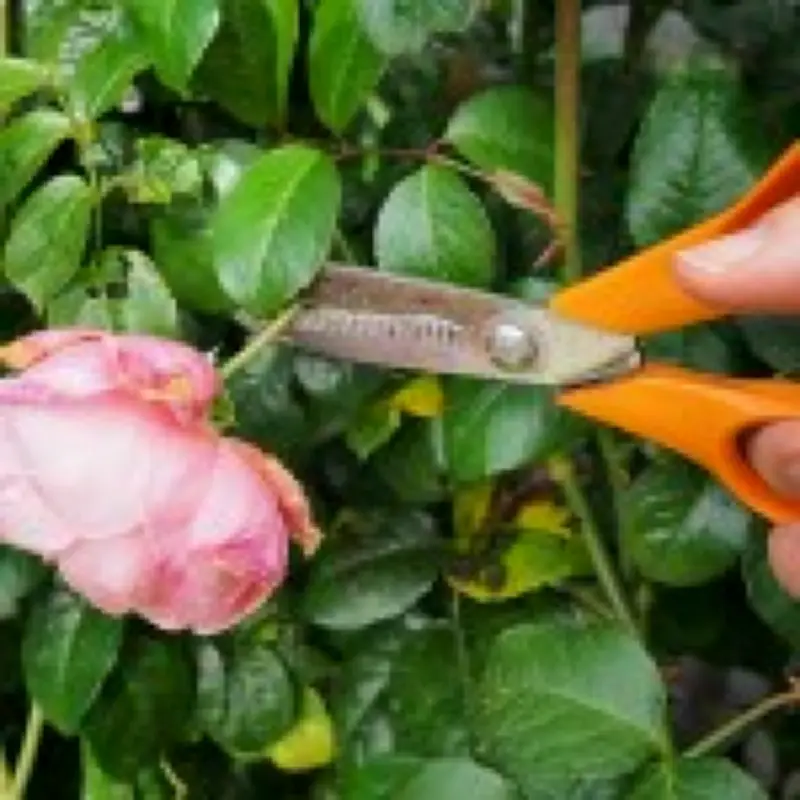
Deadhead Flowering Plants
Before jetting off, deadhead any flowering plants by 'snipping off any faded or finished blooms,' says Denyer. 'By removing any dead flowers, you can ensure that the plant will stop putting its energy into making seeds, and focus on growing new buds instead. In turn, this means more blooms for you when you're back from your holiday, as well as keeping things looking neat and preventing disease.'
Understand the Impact of Weather
Denyer warns that sudden heat after a wet spell can be detrimental. 'After a bit of rain, plants often produce lots of fast, soft growth because water uptake suddenly increases. While that fresh growth looks healthy, the cell walls are thinner and more delicate than older growth, which means strong sun and sudden heat can scorch or dehydrate it much faster.' He adds that soil can dry out more quickly than expected, especially in pots and hanging baskets.
Mulch While Soil is Damp
Mulching borders while the soil is still damp is one of the best preparations. This traps moisture before the heat dries everything out. If you wait until plants are already stressed, you've missed the 'best opportunity' to help them cope. Denyer also advises against cutting lawns too short: 'Instead, slightly longer grass will help shade the soil underneath, keeping roots cooler and helping the lawn hold onto moisture for longer.'
Avoid Common Watering Mistakes
The most common mistake is watering 'little and often' once the heat arrives. 'While it feels like you're helping, shallow watering can actually encourage weaker roots because the moisture never reaches deeper into the soil,' Denyer explains. 'A much better approach is to water thoroughly either early in the morning or later in the evening so plants can properly absorb what they need before the heat of the day.'