Residents of the capital may soon have a new, natural oasis for a cooling dip without leaving the city. A community group is campaigning to transform a disused industrial site in East London into a major park featuring wild swimming ponds and its own sandy beach.
From Water Depot to Water Park
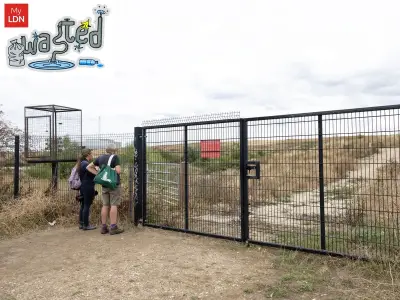
The East London Waterworks Park charity has been working for over five years on a proposal to convert a 14-acre Thames Water depot on Lea Bridge Road in Waltham Forest. Their vision is to create a "community-owned, biodiverse park with wild swimming ponds and community spaces," placing nature at its heart.
The ambitious plans include constructing 3,000 square metres of naturally filtered swimming space, which would be completely free for the public to use. An accompanying sandy beach could accommodate nearly 100 people at a time, with the overall site having capacity for around 1,200 swimmers daily. The charity is currently awaiting a crucial decision from Hackney Council before the project can move forward.

A Free, Sustainable Vision for the Community
While London boasts several popular lidos, all require an entrance fee. Nathan Miller, a director of East London Waterworks Park, highlighted the driving force behind the scheme. "My first thought was that I’d love something like this to exist for my kids growing up," he said. "There are no free accessible swimming spaces, so providing that is what the community wants to experience."
The project's innovative funding model aims to keep access free. The plan involves generating more renewable electricity on-site than is needed and selling the surplus back to the national grid. The park would feature two main swimming areas:
- A family-oriented pool near the beach.
- A more immersive wild swimming pond set further back.
Both would be filled with rainwater and purified through 5,300 square metres of natural reed beds, avoiding the use of chemicals.
More Than Just Swimming: A Holistic Community Hub
The proposal extends far beyond the water. The envisioned park would also include meadows, pond-dipping areas, a cafe, a forest school, an art studio, and a science lab. Abigail Woodman, director and chair of the charity, told Metro: "We believe the park will unlock a chain of positive changes that culminate in the long-term transformation of people and place."
A cornerstone of the planning process has been "The Listening Project," where the charity interviewed over 100 people from historically underrepresented groups. This four-year effort gathered insights from the African and Afro-Caribbean community, disabled people, the LGBTQI+ and Muslim communities, and those who have experienced homelessness or financial exclusion, among others.
Key themes emerged, with a paramount focus on creating a safe and inclusive space for all. Discussions covered everything from visibility and lighting for night-time use to nuanced safety concerns. Some participants expressed that a formal police presence could feel intrusive, leading to considerations of a designated park warden instead.
The initiative has garnered political support, including from Green Party leader Zack Polanski, who praised it as a "groundbreaking, community-led initiative that promises extensive environmental and social benefits." If approved, this transformative project could provide a unique, free haven for nature and recreation in the heart of East London.