
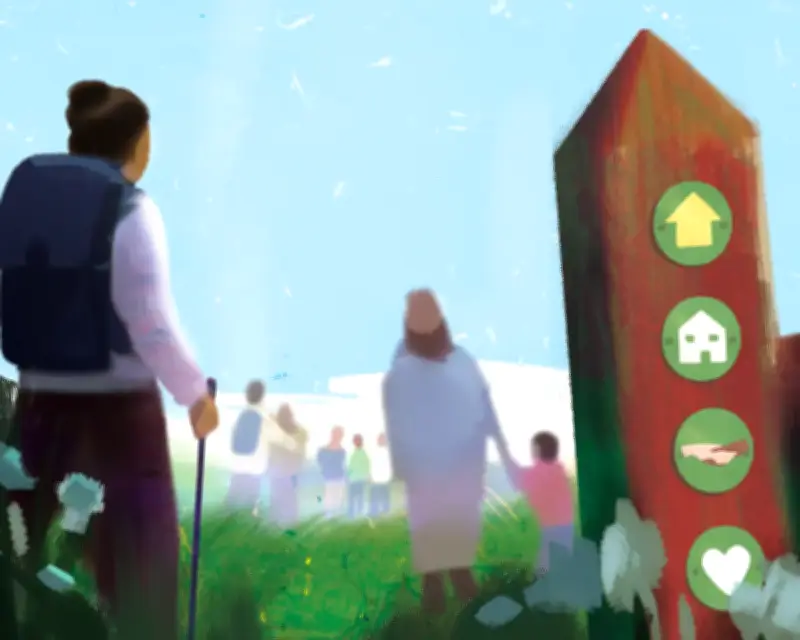
On a recent three-night trip to the Peak District, a walk up Mam Tor revealed a striking sight: a diverse mix of hikers, from young women in hijabs to multiracial groups of men, a contrast to the typical image of country walking as a monocultural white pursuit.
The climb, a 20-minute ascent, draws both dedicated ramblers and newcomers eager for the panoramic view. The diversity was notable, likely due to the proximity of Manchester and Sheffield. This scene, while not a perfect microcosm of Britain, was close, and it sparked thoughts of a belated emancipatory phase in the story of access to the countryside.
From Kinder Scout to modern inclusivity
This evolution traces back to the 1932 mass trespass at Kinder Scout, led by the Jewish anti-fascist Benny Rothman, where hundreds defied the law to walk on privately owned Derbyshire hills. Five received prison sentences, but the protest paved the way for the creation of the UK's first national parks.
Today, organisations are working to make walking more inclusive. Black Girls Hike, founded in 2019 by Rhiane Fatinikun, aims to create "a safe space for Black women to explore the outdoors … challenging the status quo." Similarly, Haroon Mota started Muslim Hikers in Coventry, and Cherelle Harding created Steppers UK to "normalise black and brown faces in outdoor spaces."
The countryside as a contested space
The countryside is not just a place of leisure; it is also a contested political space. Figures like Nigel Farage, with his cosplay of flat cap, Barbour jacket, and wellies, symbolise a narrow vision of rural England, often at odds with inclusive efforts. The far right, including groups like Patriotic Alternative, have sought to claim the landscape for themselves, with initiatives like the Woodlander Initiative in mid-Wales, led by activist Simon Birkett.
These attempts to monopolise the countryside's romance and mythology make it urgent to promote the idea that it belongs to everyone.
The YHA's role and financial challenges
Access to the countryside also faces economic barriers. The Youth Hostels Association (YHA) of England and Wales provides affordable accommodation, but the pandemic caused a £40m income loss in the first year alone, and energy costs have quadrupled. In 2023, it had about 150 hostels; to date, it has announced the sale or closure of 29. Eight are now run via a franchising scheme.
The YHA runs programmes like No Child Left Behind to ensure financial hardship doesn't stop school trips. A plaque at Hartington Hall, a 17th-century manor house owned by the YHA, states: "This youth hostel … is one of many … where young people, regardless of race or creed, may spend the night. The buildings are diverse in character but they have a common purpose: to help all, especially young people of limited means, to a greater knowledge, love and care for the countryside."
To preserve hostels and make these words real, an injection of cash from philanthropists, a tourist tax on hotels, or funding from government departments could help. Some parts of the British landscape are undergoing a welcome social change, but it needs support in the form of bunk-beds and brickwork.



