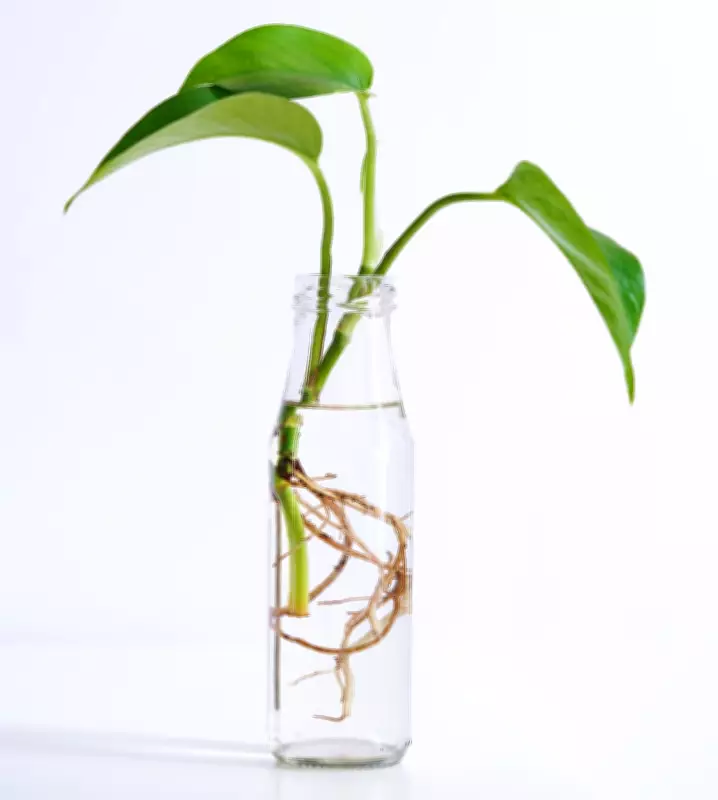
In the ever-evolving world of houseplant care, a novel trend has emerged: using candle wax to propagate cuttings. This method involves dipping the cut ends of plants like pothos into melted wax, purportedly to seal wounds and encourage root growth. But is this hack a game-changer or merely an added complication for gardeners?
The Rise of the Wax Propagation Trend
Propagating plants such as pothos is typically straightforward, often requiring just a clean cut and water. However, the internet has sparked interest in more experimental approaches, leading to the popularity of candle wax as a propagation aid. Advocates claim that applying a wax "cap" can prevent bacterial intrusion and stimulate roots to sprout from nodes above the cut.
How the Candle Wax Method Works
To try this hack, start with a fresh stem cutting from a healthy plant. Dip the cut end into melted candle wax, allow it to harden, and then place the node underwater in a clean glass container, ensuring the leaves remain above the surface. Regular maintenance is key: change the water twice weekly and provide bright, indirect light to support root development.

Testing the Wax Hack: A Practical Experiment
To assess its effectiveness, a controlled test was conducted. One pothos cutting was treated with cooled candle wax on its cut end, while another was simply placed in water without any wax. The results were telling: the plain cutting rooted quickly and cleanly, whereas the waxed cutting showed little progress initially, with the sealed end remaining inactive. Eventually, roots did emerge, but from higher up the stem, suggesting the wax provided no real advantage.
The Verdict on Candle Wax for Propagation
Ultimately, the plant's natural healing processes do the heavy lifting, not the candle wax. Dipping cuttings in wax introduces unnecessary steps, potential fragrances, and contaminants without offering tangible benefits. For successful pothos propagation, sticking to basics proves best: make a sharp cut, use clean water, and ensure adequate lighting. This simple approach remains the most reliable "hack" for nurturing new growth.
As houseplant enthusiasts continue to explore innovative techniques, it's clear that sometimes, the simplest methods yield the best results. While trends like wax propagation may capture attention, they often add more faff than function to the gardening experience.