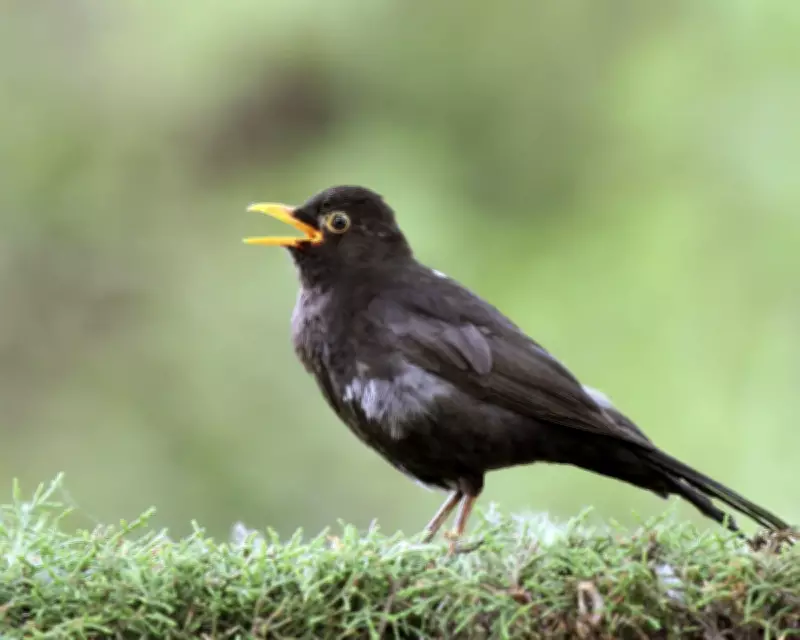
Birdsong Boosts Wellbeing: Nature's Soundtrack for Mental Health
In an increasingly noisy and fast-paced world, a simple yet profound remedy for stress and anxiety is gaining scientific backing: listening to birdsong. Recent studies have highlighted how the melodic chirps and calls of birds can significantly enhance mental wellbeing, offering a natural, accessible form of therapy for people across the UK.
The Science Behind Birdsong and Mental Health
Research conducted by environmental psychologists and health experts has shown that exposure to birdsong can lead to measurable improvements in mood and cognitive function. The sounds of birds, often associated with natural environments, trigger positive emotional responses, reducing levels of cortisol, the stress hormone, and promoting a sense of calm and relaxation.
Key findings include:

- Listening to birdsong for just a few minutes daily can lower stress and anxiety levels.
- It enhances focus and creativity, making it beneficial for work and study environments.
- Birdsong is linked to increased feelings of happiness and overall life satisfaction.
This connection is thought to stem from evolutionary factors, where humans have historically associated birdsong with safety and abundance in natural settings.
Practical Applications in Daily Life
Incorporating birdsong into daily routines is easier than ever, thanks to digital tools and urban green spaces. Many people are turning to apps and recordings that feature high-quality bird sounds, while others make a conscious effort to spend time in parks, gardens, or even by open windows to soak in the natural audio.
For urban dwellers, this practice can be particularly valuable, as city noise pollution often overwhelms natural sounds. Initiatives in cities like London are promoting "soundscaping" projects that integrate birdsong into public areas to improve community wellbeing.
Broader Implications for Public Health and Environment
The benefits of birdsong extend beyond individual wellness, touching on broader public health and environmental concerns. As mental health issues rise in the UK, natural interventions like this offer a low-cost, sustainable complement to traditional therapies.
Moreover, this research underscores the importance of preserving and enhancing green spaces and biodiversity. Protecting bird habitats not only supports wildlife but also ensures that future generations can access the wellbeing benefits of birdsong.
In summary, birdsong is more than just a pleasant background noise; it is a powerful tool for boosting mental health and fostering a deeper connection with nature. By embracing this simple practice, individuals and communities can take a proactive step towards improved wellbeing in an often stressful modern world.