
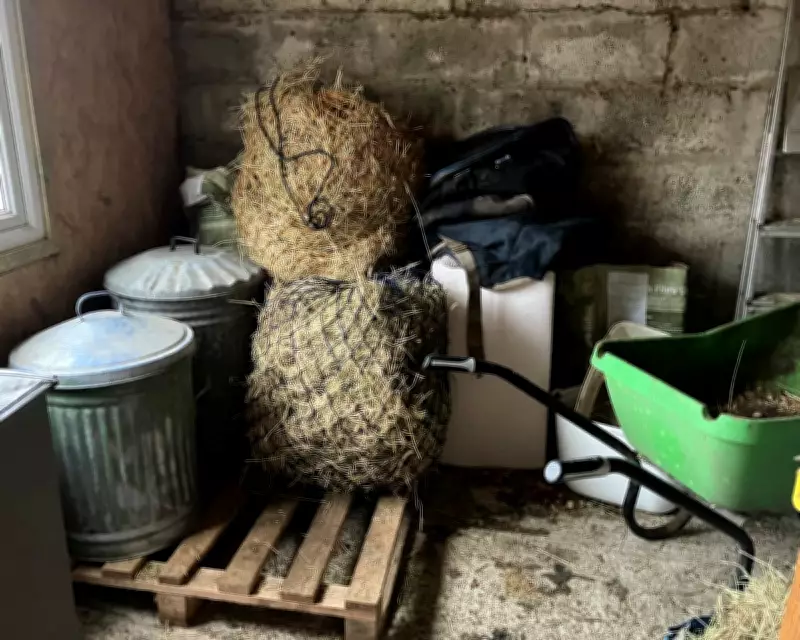
Farmers in the United Kingdom are grappling with a critical shortage of hay, as the enduring consequences of last year's severe drought continue to strain agricultural operations. This scarcity is not merely a seasonal blip but represents the long tail of climatic adversity that has left many rural communities struggling to sustain their livestock through the winter months.
The Root of the Crisis
The hay shortage stems directly from the prolonged dry spell experienced last year, which drastically reduced grass growth and hay yields across the country. With stocks now running perilously low, farmers are forced to make difficult decisions regarding feed management and animal welfare. This situation highlights the vulnerability of the agricultural sector to extreme weather events, which are becoming increasingly frequent due to climate change.
Implications for Livestock and Farming
The dwindling hay reserves pose significant challenges for livestock farmers, who rely on this essential feed to maintain their herds during colder periods. Without adequate supplies, there is a heightened risk of malnutrition among animals, potentially leading to reduced productivity and economic losses. Moreover, farmers may need to seek alternative, often more expensive, feed sources, further squeezing already tight margins in the industry.
Broader Environmental and Economic Effects
Beyond the immediate agricultural concerns, the hay shortage underscores broader environmental issues. The drought's lingering impact serves as a stark reminder of the need for sustainable water management and resilient farming practices. Economically, this crisis could ripple through rural economies, affecting not only farmers but also related businesses such as feed suppliers and veterinary services.
Looking Ahead: Adaptation and Resilience
As the UK faces the ongoing effects of last year's drought, there is a growing call for enhanced adaptation strategies within the farming community. This includes investing in water-efficient irrigation systems, diversifying crop rotations, and exploring drought-resistant forage options. Building resilience against future climatic shocks is crucial to safeguarding the nation's food security and rural livelihoods.
In summary, the current hay shortage is a poignant example of how extreme weather events can have lasting repercussions, urging a proactive approach to environmental stewardship and agricultural innovation in the UK.



