
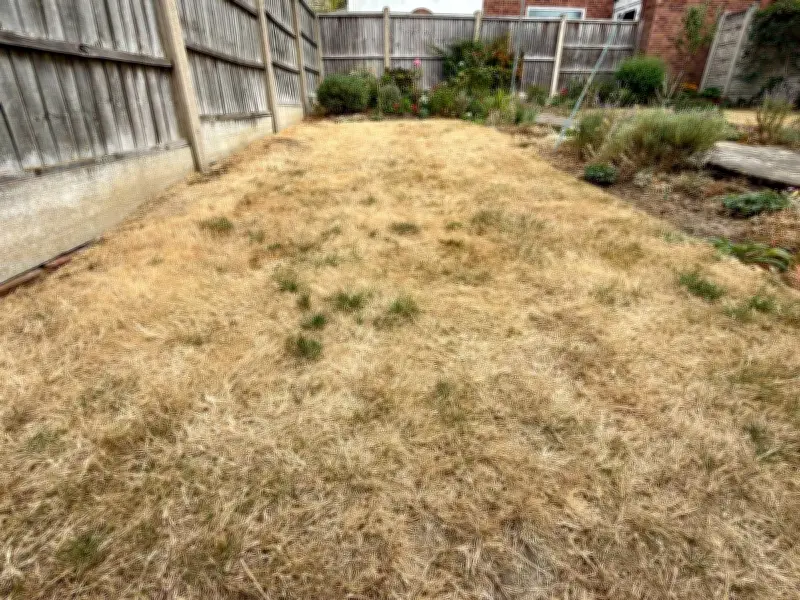
Lawns across the UK that have turned brown during the summer drought and hosepipe bans can bounce back in as little as two weeks, according to Jonathan Davis, a grass specialist at Lawnsmith. Davis said most brown lawns are dormant rather than dead, and with significant hydration, the turf will quickly regain its flourishing green appearance.
Recovery timeline: 10 to 14 days for green regrowth
Davis explained that when moisture is low, grass focuses its energy on protecting its root system, the beating heart of the lawn, which is why colour drains from the visible sward above the soil. He said: "Most brown lawns are in fact dormant, and haven't completely died back yet."
Once consistent rainfall or watering returns, regrowth begins. Davis said: "Most lawns will show signs of green regrowth within 10 to 14 days of consistent rainfall or watering. Full lawn recovery can take two to four weeks, depending on how long the lawn was dormant for and how stressed the grass was."
Londoners have faced strict hosepipe bans since mid July, leaving many gardens faded and brown. The prolonged, scorching and parched summer has taken its toll on lawns throughout the UK, but the recovery period may be shorter than many fear.
Patience and watering: deep soaks beat daily sprinkles
Davis advised gardeners to be patient, as some areas might take longer than others. He said: "Be patient, some areas might take longer than others. If you have bare patches where the grass has died back completely, you may need to overseed these areas to fill in the gaps."
To maximise a lawn's chances of recovery, a consistent watering routine is crucial. Davis explained: "Infrequent, deep watering is more effective than a light sprinkle every day. Aim for a deep soak two or three times a week. This encourages roots to grow deeper and will ensure moisture lasts longer."
If a lawn is particularly parched and discoloured, Davis recommends refraining from mowing and minimising foot traffic to reduce stress while it recovers.
If no improvement by September: reseeding and disease checks
The initial step is to remain patient and monitor whether the lawn recovers naturally. However, if there is no improvement by September, reseeding may be necessary. Davis said: "The good news is, September is the best time of the year for sowing seeds. The temperatures are cooler, there's more moisture but the soil is still warm for the new seedlings to germinate comfortably."
Davis also warned that if the grass is still looking brown despite significant rehydration, gardeners should investigate for signs of disease. He said: "Red thread is a common fungal disease which causes grass to look bleached and straw-like, very similar to its appearance in extremely dry weather."
With the heatwave winding down and rainfall expected, UK lawns have a solid chance of recovery within weeks, provided gardeners follow the expert's advice on watering, patience, and September reseeding.



