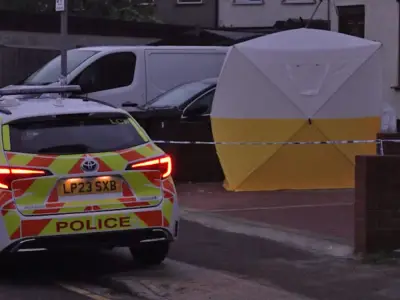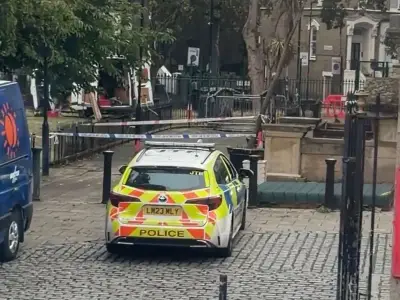
The Metropolitan Police has issued a warning about the increasing use of drug-laced vapes and everyday medications in spiking incidents across London. Over the past year, the force recorded more than 2,700 spiking-related offences, with only 131 resulting in a charge, caution, or summons—a 20 per cent increase compared to the previous year. Over half of the victims were aged between 18 and 35.
Changing nature of spiking substances
According to the Met, investigators have encountered incidents involving vapes containing THC, the primary psychoactive compound in cannabis, and the drug spice, as well as elevated doses of common medications such as antihistamines and travel sickness tablets that induce drowsiness. The force noted that offenders are increasingly using prescription and over-the-counter medicines alongside these vapes.
Detective Superintendent Dan Thompson, the Met's spiking lead, said: "The nature of spiking is changing. We're seeing offenders use a wider range of substances than ever before, including everyday medications and substances added to vapes, while increasingly targeting victims in private settings such as homes, parties and student accommodation."

Shift to private venues and reporting challenges
The police have observed a growing trend of incidents occurring at private parties in flats or houses, rather than traditional venues like bars and clubs. This shift presents additional challenges for investigations, as drugs metabolise quickly, leaving a narrow forensic window.
Self-testing kits available online would fail to identify numerous over-the-counter medicines or prescription medications, the Met warned, making quick reporting all the more essential. Thompson emphasised the importance of prompt reporting: "Reporting within the first 12 hours allows us to secure CCTV, obtain forensic evidence, identify witnesses and make arrests. Nobody should hesitate to come forward. Even if some time has passed, we still want to hear from you."
Recent convictions highlight severity
Two prolific sex offenders were jailed last year following separate Met investigations after being convicted of targeting multiple women at their flats. Rapist Chao Xu, 34, would give guests a drink he called "the spring of life", which he had laced with substances including GHB and scopolamine, a travel sickness medicine. He received a life sentence in November 2025 for 24 sexual offences committed over three years, including rape, assault by penetration, sexual assault, upskirting, and voyeurism.
The second perpetrator was Chinese PhD student Zhenhao Zou, 29, who also received a life sentence for drugging and raping 10 women in London and China. He kept a trophy box of women's belongings and filmed nine of the attacks, with jury members in the trial required to view the harrowing footage.
Awareness campaigns are being held throughout Freshers' Week at numerous universities across London to educate students about the risks and encourage reporting.