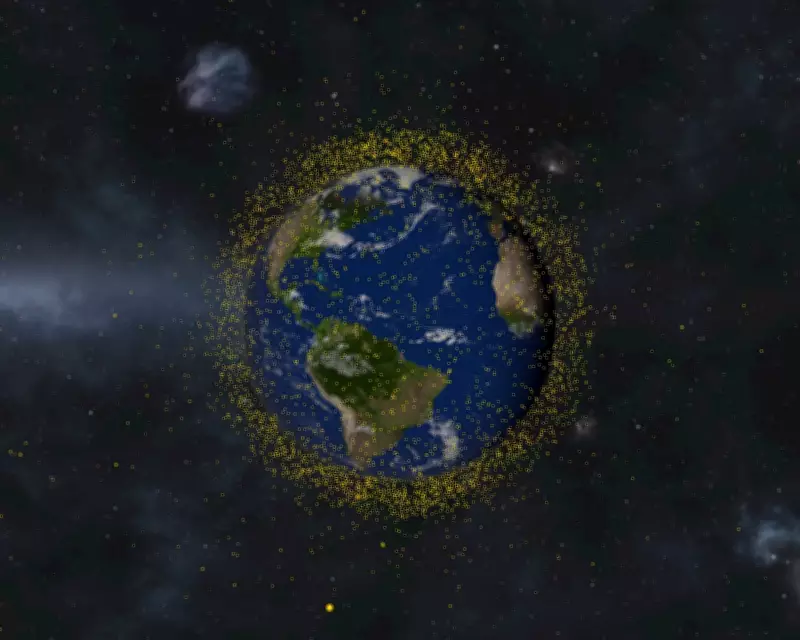
The proliferation of satellites in Earth's orbit is accelerating at an unprecedented rate, driven by a new era of space exploration and commercial ventures. This surge, often dubbed the modern space race, involves thousands of new satellites being launched annually by both governmental agencies and private companies. While these advancements promise enhanced global connectivity, scientific research, and economic opportunities, they are also sparking significant environmental concerns that could escalate into a full-blown crisis.
Growing Threats from Space Debris
One of the most pressing issues is the accumulation of space debris, which includes defunct satellites, spent rocket stages, and fragments from collisions. As more objects populate low Earth orbit, the risk of collisions increases exponentially, potentially creating cascading effects known as the Kessler syndrome. This scenario could render certain orbital regions unusable for decades, jeopardizing critical infrastructure like GPS, weather monitoring, and communication networks. Experts warn that without robust international regulations and debris mitigation strategies, the sustainability of space activities is at stake.
Light Pollution and Astronomical Interference
Beyond debris, the sheer number of satellites is contributing to light pollution that affects astronomical observations. Large constellations of satellites, such as those deployed for broadband internet, reflect sunlight and create bright streaks across the night sky. This interference hampers the work of astronomers, who rely on clear views to study distant celestial objects and detect potential threats like near-Earth asteroids. Efforts are underway to develop darker satellite coatings and orbital adjustments, but the scale of launches continues to outpace these solutions.

Environmental Impacts on Earth
The environmental implications extend beyond orbit to Earth's atmosphere. Rocket launches release pollutants, including black carbon and alumina particles, which can contribute to ozone depletion and climate change. As launch frequencies rise, these emissions could have cumulative effects, though research is ongoing to quantify their long-term impact. Additionally, the energy-intensive nature of satellite manufacturing and operations raises questions about the carbon footprint of the space industry, prompting calls for greener technologies and sustainable practices.
Regulatory and International Challenges
Addressing these environmental risks requires coordinated global action, but current regulatory frameworks are fragmented and often lag behind technological advancements. International treaties, such as the Outer Space Treaty, provide broad principles but lack specific mandates for debris management or pollution control. Stakeholders, including space agencies, private companies, and environmental groups, are advocating for updated policies that prioritize orbital sustainability and transparency in satellite operations. Without such measures, the space race risks becoming an environmental crisis with far-reaching consequences for both space and Earth.