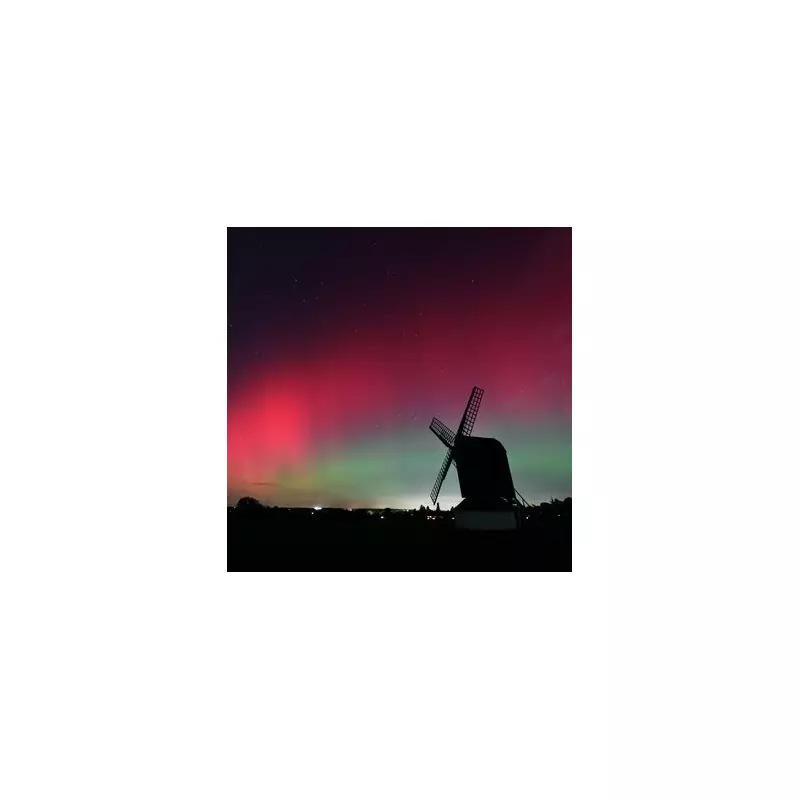
Londoners could be in for a spectacular celestial treat tonight as a powerful geomagnetic storm is set to hit Earth, offering a rare chance to see the Northern Lights from the capital.
A Perfect Solar Storm
The cause of this potential light show is a series of three coronal mass ejections erupting from the Sun and sending a stream of solar particles directly towards our planet. When these particles interact with Earth's atmosphere, they create the stunning phenomenon known as the Aurora Borealis.
The National Oceanographic Atmospheric Administration (NOAA) has reported that these solar storms will arrive from tonight into the early hours of Thursday morning, November 13. The agency predicts this could result in a strong or even extreme geomagnetic event.

Your Guide to Spotting the Aurora
AuroraWatch UK has issued a red alert, indicating that the Northern Lights may be visible to the naked eye and camera across the entire UK. The prime viewing window in London is predicted to be between 1am and 2am on Thursday.
While the best views are typically further north, the Met Office confirms there is a genuine possibility of seeing the aurora in London, especially in areas with minimal light pollution. However, they have also forecast cloud cover, which could obstruct the view.
Top Tips for a Successful Aurora Hunt
Face North: The Aurora Borealis is drawn to the Earth's magnetic poles. Use a compass app on your phone to locate north, as the lights will most likely appear on the horizon in that direction.
Escape the Glare: Light pollution is your biggest enemy. Head to the outskirts of London or find a large, open park away from the bright city lights. Getting to higher ground, like a hill, can also dramatically improve your chances.
Embrace the Night: The darkest hours, from late evening to early morning, offer the best visibility. Plan to stay up late for your best shot.
Use Your Camera: Your smartphone or camera can often see the aurora's colours more vividly than the human eye. Even if the display looks faint to you, a long-exposure photo might reveal a stunning array of greens and pinks.
While these solar storms are powerful, they pose no direct harm to humans, as Earth's atmosphere provides a protective shield. In extreme cases, they can, however, cause temporary disruptions to satellite communications and mobile phone signals.