A Visitor from the Void: Interstellar Comet Stirs Excitement
A remarkable celestial object is currently captivating astronomers worldwide. Comet 3I/ATLAS, confirmed to have originated from outside our solar system, is only the third such interstellar visitor ever recorded by scientists. This extraordinary discovery is generating significant buzz within the astronomical community and among space enthusiasts.
Unravelling the Mysteries of an Interstellar Wanderer
The comet was first detected on July 1 this year by a NASA-funded ATLAS survey telescope located in Rio Hurtado, Chile. Its official name reveals key details: the '3I' denotes it as the third interstellar object known to science, while ATLAS credits its discoverers.
Andrew Rennie, Astronomy Secretary for the Hampstead Scientific Society, describes the comet as a potentially 'truly ancient object'. He explained to MyLondon that its orbital path suggests it has travelled a vast distance, likely originating from within our Milky Way galaxy, but potentially from an older region, making it an ancient relic from a distant star.

The comet's arrival has also sparked more speculative theories. Avi Loeb, a physicist at Harvard University, has hypothesised that its 'anomalous characteristics', including its close approach to planets like Venus and its orbital tilt, could indicate a 'technological' origin. However, this view is not widely held. Professor Brian Cox has firmly stated on social media that the comet is 'a comet, made of carbon dioxide and water ices and bits of other stuff', and is entirely natural. He urged the public to appreciate it for what it is: a pristine visitor from another part of the galaxy.
How and When to See the Comet from London
For Londoners eager to catch a glimpse of this cosmic tourist, there is an opportunity, but it requires some planning. As of mid-November, Comet 3I-ATLAS has emerged from behind the Sun and its nucleus has shown significant activity, making it brighter as it approaches.
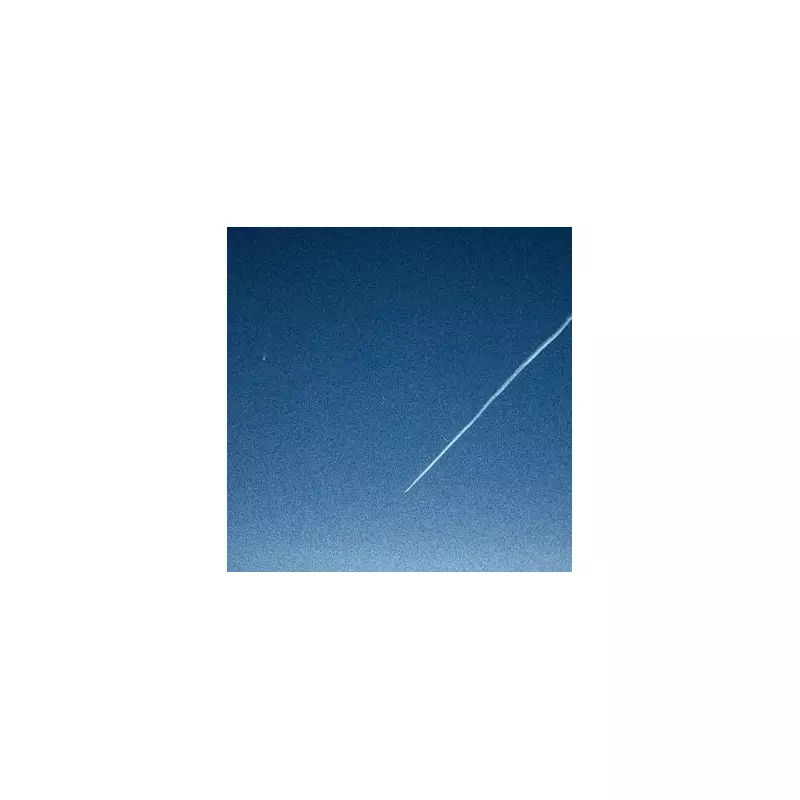
Unfortunately, the comet will not be visible to the naked eye. Stargazers will need an amateur telescope or a camera capable of long exposures to spot it. The comet is currently located within the constellation of Virgo.
The best viewing time is in the early hours of the morning. However, Mr Rennie warns that London's light pollution will make it very difficult to see from within the city. He recommends travelling to a dark, rural area approximately half-an-hour beyond the M25 for a much better chance of successful comet spotting.
Despite its proximity on an astronomical scale, experts confirm the comet poses no threat to Earth, as its orbit is stable and easily predictable. This makes it a safe and wondrous spectacle for all who manage to see it.