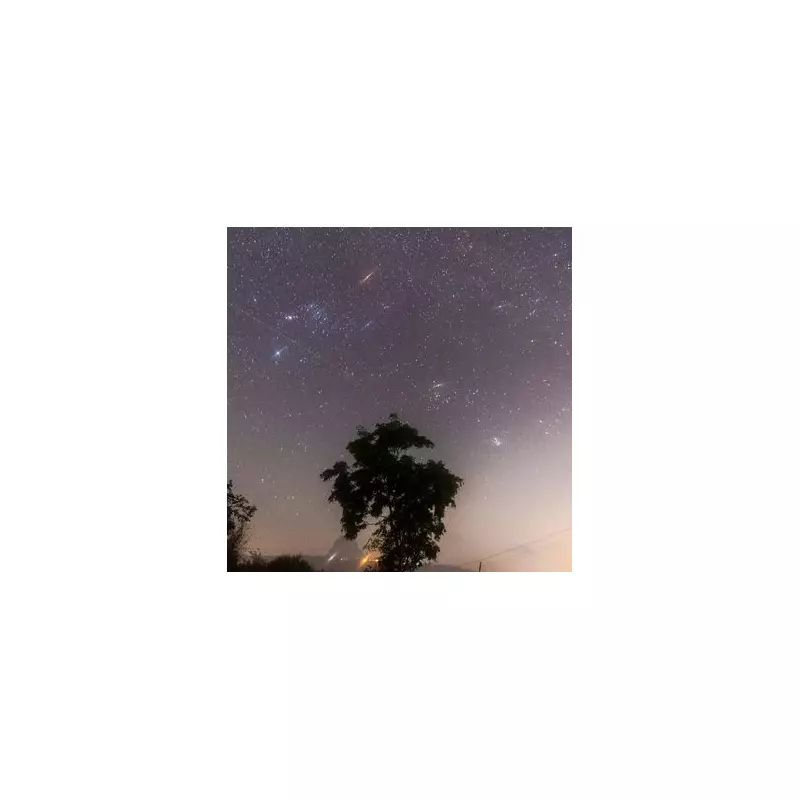
Stargazers across the United Kingdom are in for a celestial treat this December as the Geminid meteor shower prepares to illuminate the night sky. Renowned as one of the most spectacular and reliable displays in the astronomical calendar, this year's event promises a vibrant and unusual show.
A Rainbow in the Night Sky
What sets the Geminid shower apart from others is its remarkable multicoloured appearance. Unlike typical meteor showers that appear white, lucky observers may witness dazzling streaks of white, yellow, green, red, and even blue. This stunning visual effect is caused by the varying chemical compositions within the debris as it vaporises in Earth's atmosphere.
The shower is active between December 4 and December 20, building towards its dramatic peak. This year, the night of December 14 is when the spectacle will reach its maximum intensity, with the potential for over 120 meteors per hour to streak across the heavens.

The Unusual Origin of the Geminids
The Geminids are a fascinating anomaly in the world of meteor showers. While most showers originate from comets, the Geminids are the offspring of an asteroid known as 3200 Phaethon. This rocky origin is the reason these meteors don't develop the characteristic tails comets are known for when they approach the Sun.
Scientists have also observed that the Geminid meteor shower appears to be intensifying each year, making it an ever-more impressive annual event for astronomers and casual viewers alike.
Your Guide to Spotting the Geminids
You don't need any special equipment to enjoy this natural light show. The Geminids are perfectly visible to the naked eye. For the best viewing experience, follow these simple tips:
Find a location as far away from street lights and other light pollution as possible. A wide, open space like a park or field will give you the broadest view of the sky.
Be patient and allow your eyes to adjust to the darkness. Instead of looking directly at the shower's radiant point, glance slightly to the side at a dark patch of sky. This technique often makes it easier to catch the swift, bright trails of the meteors.
While the Geminids are the main event, other meteor showers are also on the horizon for UK sky-watchers:

- Ursids: Active from December 17 to 26
- Quandrantids: Running from December 28 to January 12
- Lyrids: Expected between April 16 and 25