
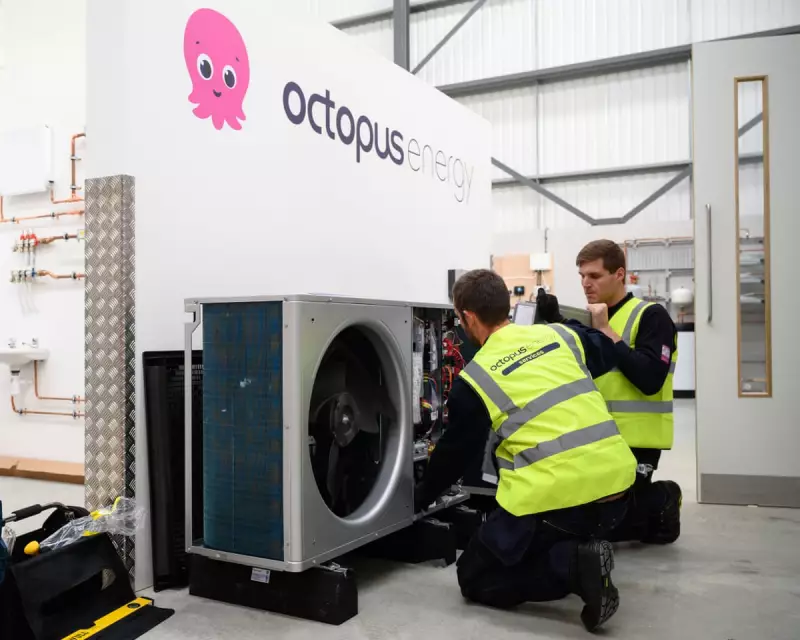
Recent government briefings suggesting cuts to green energy subsidies could represent a major setback for UK households seeking relief from soaring energy costs, according to energy experts.
Short-Term Thinking, Long-Term Consequences
The Treasury is reportedly considering scrapping the Energy Company Obligation (ECO), which stands as Britain's only large-scale, long-running scheme funding home insulation and efficiency upgrades for low-income households. Simultaneously, the government appears poised to scale down the Boiler Upgrade Scheme that provides grants for heat pump installation.
Camilla Born, CEO of Electrify Britain, warns that these measures constitute "short-termist sabotage" that will ultimately burden consumers with higher costs. This approach mirrors the Conservative government's previous cuts to green initiatives, which reportedly added £22 billion to household energy bills since 2015.
The Electrification Imperative
Energy analysts argue that electrification represents the only viable long-term solution to reducing energy bills. This transition involves switching from gas boilers to heat pumps and transitioning from petrol vehicles to electric cars - technologies that are becoming mainstream and cheaper to operate.
However, the current energy system maintains artificial price distortions that keep gas artificially cheap and electricity artificially expensive. Nearly 40% of a typical electricity bill consists of fixed charges and legacy costs, while gas bills remain largely shielded from these policy expenses.
Heat pumps dramatically reduce the energy required to heat homes, offering households a permanent escape from high-cost heating. After years of delayed rollout, the technology has reached a critical juncture where households are increasingly choosing heat pumps over gas boilers, installers are investing in training and equipment, and manufacturers are expanding production while reducing costs.
Budget Decisions with Lasting Impact
The upcoming budget on November 26 represents a crucial test for the government's energy strategy. Energy company EDF predicts that bills could be approximately 12% higher by 2030 than current levels without meaningful intervention.
Instead of accelerating the transition to cheaper, cleaner energy, the government appears focused on temporary bill reductions that cannot be sustained. These measures risk repeating past mistakes that cost households billions in higher bills while delaying the transition to a more affordable energy system.
If the government proceeds with cutting support for electrification technologies, it could erode consumer confidence in heat pumps, stall market progress, and lock households into higher-cost heating for another decade. With Britain's homes already less efficient than European neighbours and limited fiscal capacity for future bailouts, the margin for error has significantly narrowed.
The fundamental misunderstanding driving these potential cuts is the notion that electrification causes high bills, when in reality it represents the only genuine escape from them. Tools like heat pumps and electric vehicles reduce energy consumption, stabilise bills, and give households real control over their energy costs.



