
London Hospital's Green Energy Plan Approved Despite Diesel Backup Concerns
Islington's Whittington Hospital has secured planning permission for a significant green energy upgrade, despite warnings that its backup diesel generators could contribute to toxic air pollution in the local area.
Major Energy Centre Upgrade
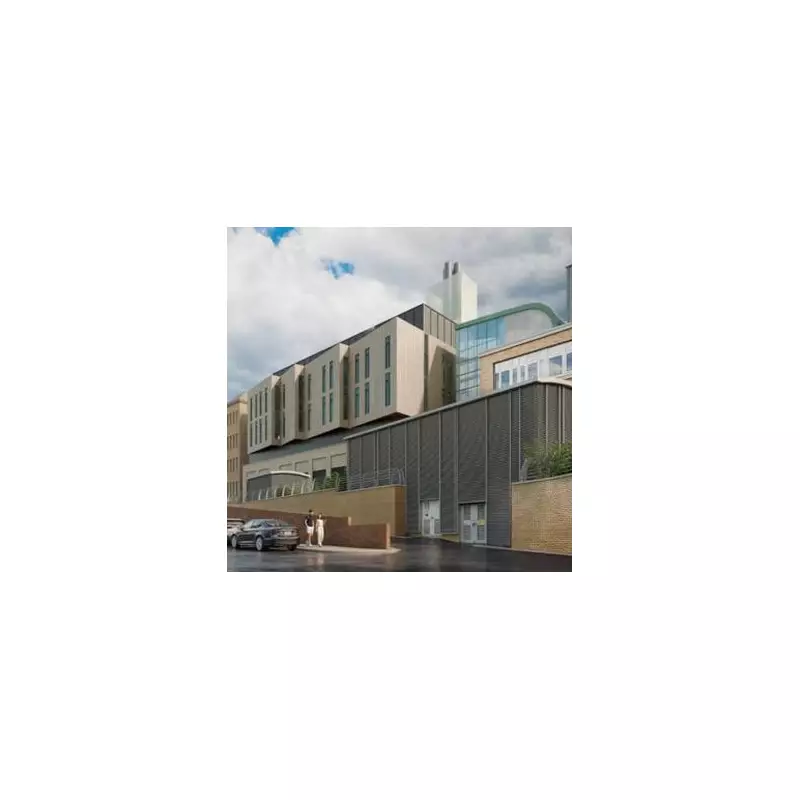
The North London hospital received approval from Islington's Planning Committee on Monday, January 12, for the construction of a new five-storey energy centre. This modern facility will house updated energy systems alongside additional storage rooms and office space.
According to Whittington Health NHS Trust, which operates the hospital, this substantial revamp will address growing energy demands while supporting ongoing improvements to the maternity wing and neonatal unit. The trust emphasises that the project will "strengthen the hospital's ability to maintain safe and reliable services" for patients and staff.
Carbon Reduction Goals
The proposed energy centre incorporates advanced air source heat pumps designed to electrify the hospital's energy supply. This technological shift is projected to reduce carbon emissions from the new boiler house by approximately one third.
Once fully operational, the hospital plans to transition away from fossil fuel reliance for heating, moving toward electric heat pumps. The trust estimates this could achieve an impressive 80% reduction in carbon emissions over time, aligning with broader NHS sustainability targets.
Diesel Generator Controversy
Despite these environmental benefits, the project has faced criticism regarding its emergency power provisions. The energy centre will include four diesel-powered backup generators connected to 32.5-metre exhaust flues, positioned concerningly close to the new maternity ward entrance and a nearby school.
Local resident Owen Campbell raised significant concerns about these generators, noting they would release carcinogenic fumes containing nitrogen oxides and particulate matter into Islington's atmosphere. "These air pollutants contribute directly to asthma, heart disease, strokes and premature deaths," Mr Campbell stated, adding that it was "deeply concerning that an NHS trust whose mission is to improve health outcomes is going to harm health."
Health and Regulatory Context
The World Health Organization classified diesel engine exhaust as a Group 1 carcinogen in 2012, placing it in the same highest-risk category as asbestos and tobacco smoke. This classification applies equally to diesel generators like those planned for the hospital.
Nick Woolworth, Estates Development Lead for Whittington Health NHS Trust, defended the decision, explaining that limited alternatives exist for emergency power systems that can reliably maintain critical care services during power outages. The generators would only operate during genuine emergencies, such as keeping intensive care units functional.
Greater London Authority guidance permits backup diesel generators for life-critical applications, provided they are used infrequently and mitigation measures are implemented. The Environment Agency did not formally object to the plans but advised the trust to apply for proper permits and ensure regulatory compliance during construction.
Design and Partnership Details
The 32.5-metre exhaust flues were specifically designed to achieve effective dispersion of emissions in accordance with air quality standards. The energy centre project represents a collaborative effort involving multiple partners:
- Whittington Health NHS Trust
- Arup engineering consultants
- Northmores planning consultants
- AH Engineering specialists
- Trebes Consulting engineers
- GRAHAM construction firm
This approval highlights the complex balancing act facing healthcare institutions as they pursue environmental sustainability while maintaining essential backup systems for patient safety. The Whittington Hospital project demonstrates both the progress and challenges in transitioning NHS facilities toward greener energy solutions.



