
The UK's Flood Awareness Paradox
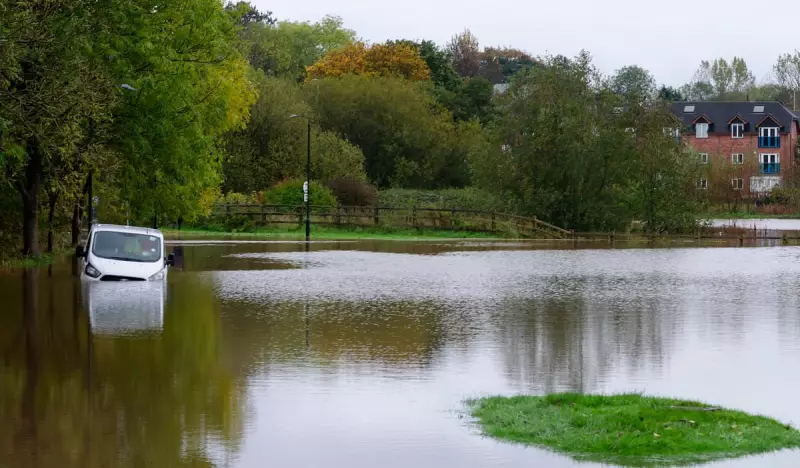
Britain faces a puzzling crisis in public understanding of flood risk, despite having some of the world's most sophisticated warning systems. While comprehensive flood-risk maps and impact information are readily available from the Environment Agency, public awareness remains dangerously low.
A startling 2016 Environment Agency poll revealed that only 45% of people in flood-risk areas acknowledge their vulnerability, with a mere 7% believing their own property faces any threat. This disconnect persists despite extensive media coverage of flooding events and public information campaigns.
Why Warnings Aren't Working
The failure of these communication efforts points to deeper systemic issues within UK flood management. Dr Ed Rollason from Kelloe, County Durham, identifies the extensive centralisation and technocratic dominance of engineering-led solutions as a primary cause.
"In a context where the public is largely excluded from any role in environmental management or decision-making, simply expecting people to protect themselves is naive," argues Dr Rollason. "Why would they when there is an expectation that someone else will do it for them?"
This over-reliance on infrastructure-based solutions has created a passive relationship between communities and their environment, undermining the development of genuine resilience.
Building Bridges for Better Resilience
The north-east of England has pioneered an alternative approach through community flood-resilience officers, dedicated professionals who engage directly with at-risk communities. This model, now being adopted in other regions, focuses on building "community resilience" from the ground up.
However, Dr Rollason advocates for more radical change: "Root-and-branch reform of how flooding is managed is needed to reconnect people to their watery environments."
Critical to this transformation is the devolution of flood-management powers to local and regional levels, moving authority away from the Environment Agency toward properly funded local authorities.
The ultimate priority, experts agree, must be building trusted relationships between risk-management authorities and communities. This involves developing unified understandings of risk and combining infrastructure, nature-based solutions, and community activity.
As climate change intensifies rainfall patterns and sea levels continue to rise, closing this awareness gap becomes increasingly urgent for communities across the United Kingdom.



