
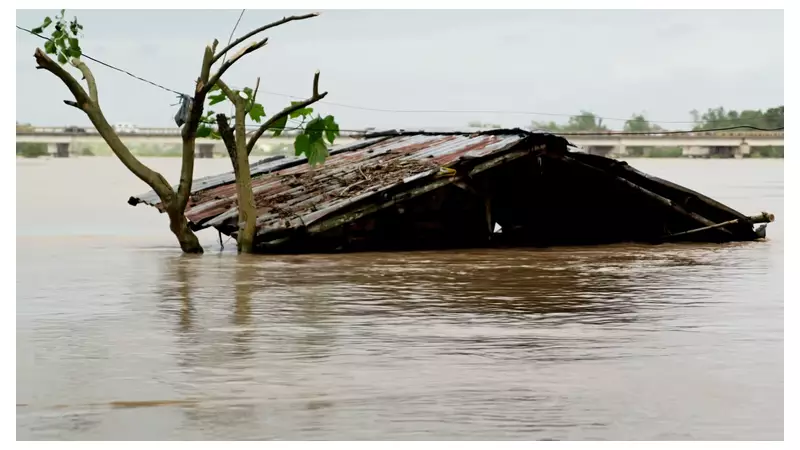
A Nation Reeling from a Super Typhoon's Fury
The Philippines, a country accustomed to severe seasonal storms, is confronting the devastating aftermath of Super Typhoon Fung-wong. The powerful weather system slammed into the archipelago, triggering massive evacuations and leaving a trail of destruction that has left even experienced residents in a state of shock.
Isolated Communities and a Desperate Struggle
In the Central Luzon region, the situation remains critical. Our team witnessed first-hand the severe impact in Nueva Ecija province, where entire communities have been completely cut off. One village, comprising 300 homes and 1,500 residents, is currently unreachable because conditions are too perilous for rescue teams to enter.
Despite the danger, many isolated locals have expressed a desire to stay, determined to protect their families and belongings. Eyewitnesses described the surreal scene of a man swimming across a raging river that was once a road, braving wild currents in a desperate attempt to reach the stranded community.
The typhoon packed ferocious winds of up to 185kph (115mph) with gusts reaching an astonishing 230kph (143mph). Storm chasers in the northeastern province of Aurora captured terrifying footage of colossal waves relentlessly hammering homes and hotels.
A Humanitarian Crisis Unfolds
The scale of the displacement is immense. Nationwide, more than 1.4 million people have been evacuated due to flash flooding and landslides. These individuals have sought refuge in emergency shelters or with relatives. By Monday night, approximately 318,000 people remained in evacuation centres, facing an uncertain future.
At the Nueva Ecija University of Science and Technology, families are crammed into temporary shelters. Jennifer Amata, who fled with her five children and grandchildren, described the terror they experienced. "We feared for our lives," she told us. "We feared we might drown. It's sad and hard because we're poor. And now that we're flooded, we need to start all over again."
Another evacuee, Marie Yukie Fronda, escaped while carrying her one-year-old baby. "It was very scary," she said. "The impact of the wind that night was so fast and the rainfall and flooding so big." Her words echo the trauma felt by millions.
The 1,800km-wide storm has since weakened as it moved over mountainous northern provinces and agricultural plains. It is now headed towards Taiwan, but the Philippines is left to count the cost.
The Larger Context: Climate and Corruption
This disaster comes just six days after Typhoon Kalmaegi struck, which killed at least 224 people. The rapid succession of intense storms highlights a troubling trend. While the Philippines is naturally prone to such events, climate change is making these extreme weather phenomena more frequent and intense.
Compounding the natural disaster are man-made issues. There have been public protests over insufficient flood defences and allegations of corruption surrounding infrastructure projects. In a nation so vulnerable to storms, these failures leave communities feeling profoundly exposed and insecure, raising urgent questions about preparedness and governance in the face of a changing climate.



