
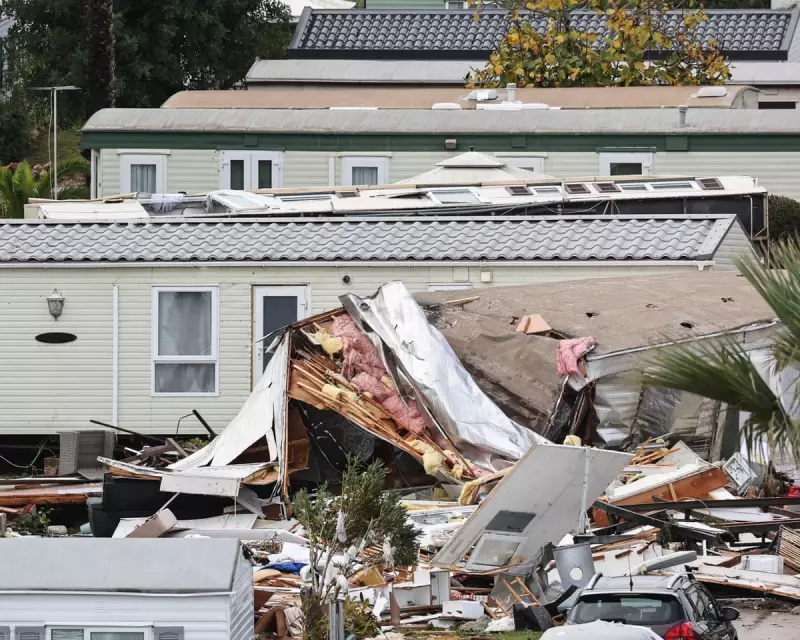
Portugal and Spain are facing extensive recovery efforts after Storm Claudia unleashed torrential rainfall and destructive winds across the Iberian peninsula last week, resulting in multiple fatalities and widespread damage.
Storm Development and Path
The severe weather system originated from an area of low pressure that initially brought early winter conditions to eastern Canada and the northeastern United States in early November. Storm Claudia tracked eastward across the Atlantic during the second weekend of November before slowing its movement northwest of the Iberian peninsula.
Spain's meteorological service AEMET officially named the storm last Monday as several rounds of heavy rainfall began moving slowly across the region throughout the week. The storm became trapped in the trough of an increasingly amplified jet stream, causing it to stall and intensify.
Devastating Impacts Across Iberia
Galicia in northwestern Spain bore the initial brunt of the storm, with 80-150mm of rain falling along its west coast within just 24 hours leading up to Wednesday evening. A slow-moving band of precipitation continued to push across western parts of the Iberian peninsula throughout Thursday, bringing additional showers and thunderstorms that caused severe flooding in Portugal.
Tragedy struck in Lisbon when an elderly couple died after water from the overflowing Tagus River entered their home while they slept. The stormy conditions persisted into the weekend, culminating in a devastating tornado that tore through a campsite and nearby hotel in Albufeira, southern Portugal on Saturday.
The tornado proved particularly deadly, claiming the life of an 85-year-old British woman and injuring 28 other people. Photographs from the Albufeira campsite show extensive damage to infrastructure and vehicles as the community begins the cleanup process.
Wider European Consequences
Storm Claudia's influence extended far beyond the Iberian peninsula. By drawing warm air from subtropical regions, the system helped temperatures in southwestern France reach 29.8°C (85.6°F) - the country's highest recorded November temperature.
By Friday, this warm, humid air mass collided with colder air across northern Europe, forming a stationary band of rain stretching from western Ireland to Russia. In the United Kingdom, this stalling weather front produced exceptionally high rainfall totals that resulted in historic flooding across Wales.
As Storm Claudia weakens early this week, meteorologists predict the cold air mass will push southward, delivering Europe its first significant taste of winter conditions.
Parallel Extreme Weather in California
Meanwhile, California experienced its own weather emergency last week through an atmospheric river phenomenon that brought heavy rain and powerful winds to the state. This led to flash flooding and mudslides in areas previously affected by wildfires.
Southern California received more than 50mm of rain on Friday, with an additional 50mm falling widely across the state on Saturday. Coastal areas of southern California saw totals exceeding 100mm, with some elevated locations recording up to 200mm overall.
The atmospheric river - a plume of warm, moist air originating from tropical or subtropical regions - caused particularly severe flash flooding and mudslides in burn scar areas including Pacific Palisades and Altadena, prompting emergency evacuations.
Tragically, the extreme weather claimed multiple lives in California, including a 71-year-old man whose vehicle was swept off a flooded bridge, and a seven-year-old girl along with her father who were swept into the ocean by massive waves on the Central Coast.
Emergency services across both continents continue to manage the aftermath of these severe weather events as climate scientists note the increasing frequency of such extreme meteorological phenomena.



