
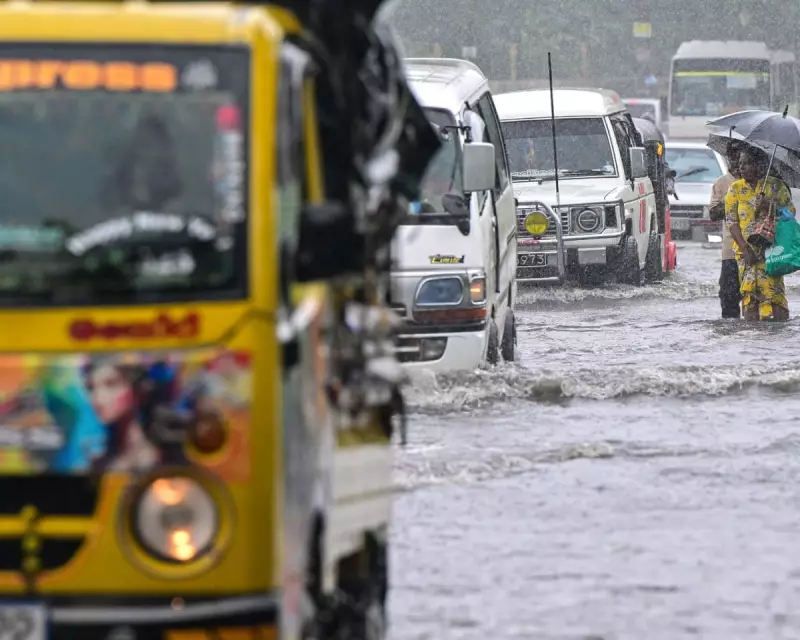
Communities along Sri Lanka's eastern coastline are still reeling from the catastrophic impact of Cyclone Ditwah, a storm whose ferocity has left deep psychological scars alongside physical ruin. In the wake of the disaster, which struck in late November 2025, survivors are now sharing their terrifying ordeals, painting a picture of nature's overwhelming power and human resilience.
A Night of Terror on the East Coast
The cyclone made landfall with devastating force near the city of Batticaloa on November 30, 2025. Eyewitness accounts describe a sudden, violent onslaught of wind and water that gave residents little time to react. "We were all very scared," recounted one survivor, encapsulating the universal fear that gripped the region. The storm's intensity rapidly escalated, with torrential rain and storm surges breaching coastal defences and flooding low-lying areas.
Official figures confirm the grim toll: at least 14 people lost their lives, with many more injured. The material damage is extensive, with thousands of homes destroyed or severely damaged, leaving families homeless. Critical infrastructure, including power lines, roads, and communication networks, was crippled, hampering initial rescue and relief operations. The scale of the displacement is significant, with emergency shelters set up across the affected districts to accommodate those who lost everything.
Stories of Survival and Loss
Behind the statistics are harrowing personal narratives. Families speak of clinging to rooftops as floodwaters rose, watching their possessions and livelihoods be swept away. Fishermen, whose boats are their primary source of income, saw their vessels smashed against the shore or lost entirely. The agricultural sector, a cornerstone of the local economy, has been dealt a severe blow, with crops ruined and farmland submerged under saline water.
The psychological impact is profound. Many survivors report suffering from anxiety and sleeplessness, replaying the sounds of the howling wind and collapsing structures. The trauma of the event is particularly acute for children, who experienced the terror with little understanding. Community leaders emphasise that the road to recovery will need to address these mental wounds as diligently as the physical rebuilding.
The Long Road to Recovery
In the aftermath of Cyclone Ditwah, a massive coordinated response has been launched. Government agencies, military personnel, and international aid organisations are working to provide immediate necessities: clean water, food, medical supplies, and temporary shelter. The focus is now shifting from emergency response to longer-term rehabilitation.
However, challenges remain formidable. Restoring full electricity and clearing debris from transportation routes is a painstaking process. There are also growing concerns about public health risks, including the potential for waterborne diseases in the stagnant floodwaters. Environmentalists are beginning to assess the long-term ecological damage to sensitive coastal and marine habitats.
This disaster has reignited urgent conversations about climate resilience and disaster preparedness in Sri Lanka. Experts argue that while cyclones are a natural phenomenon, their increasing intensity is linked to climate change, necessitating stronger early warning systems, more robust infrastructure, and better-coordinated evacuation plans. The experience of Cyclone Ditwah serves as a stark reminder of the vulnerability of coastal communities to extreme weather events.
The spirit of the affected communities, however, is not broken. Neighbours are helping neighbours, and a determination to rebuild is palpable. Yet, the memories of that fearful night will linger, a testament to the day Cyclone Ditwah reshaped lives and landscapes along Sri Lanka's eastern shore.



