
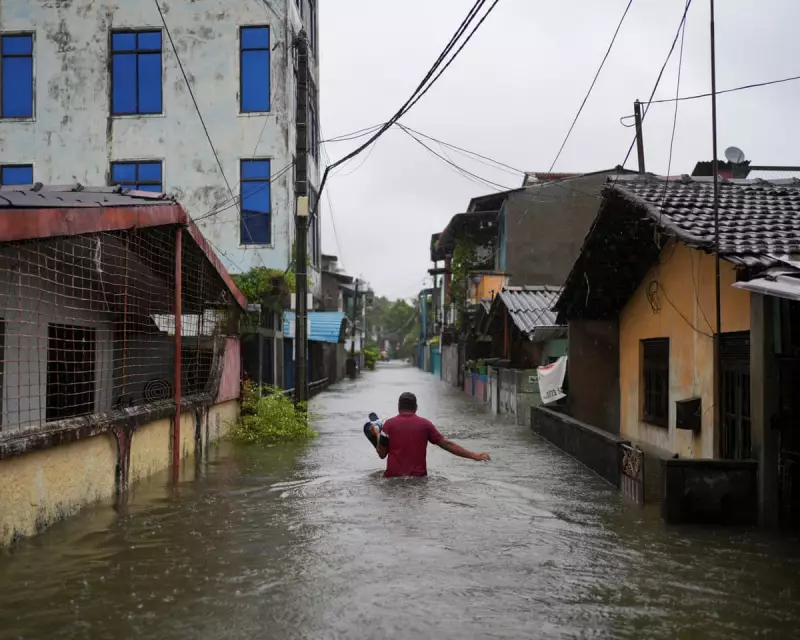
Severe flooding has plunged Sri Lanka into a state of emergency as relentless rainfall from Cyclone Ditwah claims dozens of lives and displaces thousands across the island nation.
Rescue Operations Race Against Rising Waters
Military helicopters and navy boats are conducting urgent rescue missions across affected regions, plucking stranded residents from treetops and rooftops. The Disaster Management Centre confirmed the death toll has reached 69, with an additional 34 people reported missing.
In the worst-hit central regions, most victims were buried alive by devastating mudslides that struck earlier this week. The recovery of additional bodies has driven the rising casualty figures as emergency services continue their search operations.
Widespread Devastation and Evacuations
Rainfall measurements have reached alarming levels, with some areas receiving 360mm of precipitation within just 24 hours. The critical Kelani River, which flows into the Indian Ocean near Colombo, overflowed its banks on Friday, exacerbating the flooding crisis.
VSA Ratnayake, a 56-year-old resident of Kaduwela near Colombo, described the situation as potentially "the worst flood in our area for three decades". He recalled previous flooding in the 1990s when his home was submerged under seven feet of water.
The human impact continues to mount with:
- At least 3,000 homes damaged by mudslides and floods
- More than 18,000 people evacuated to temporary shelters
- Dozens of tourists rescued from tea-growing central areas
International Response and Climate Concerns
Indian Prime Minister Narendra Modi has expressed condolences for the loss of life and pledged immediate assistance to affected areas. "We stand ready to provide more aid and assistance as the situation evolves," Modi stated on social media platform X.
Disaster officials warn that flood levels may surpass those of 2016, when 71 people died nationwide. The current weather-related death toll represents the highest since June last year, when 26 people perished during heavy rains.
While Sri Lanka depends on seasonal monsoon rains for irrigation and hydroelectric power, climate experts warn that the nation faces increasingly frequent and severe flooding due to the ongoing climate crisis. The country remains in its north-east monsoon season, but rainfall intensity has dramatically increased because of Cyclone Ditwah.
Forecasters predict the cyclone will move away from Sri Lanka's north toward the south Indian state of Tamil Nadu by Sunday, potentially bringing relief to the battered island nation.



