Somerset's Flood Battle Intensifies as Climate Change Brings Record Rainfall
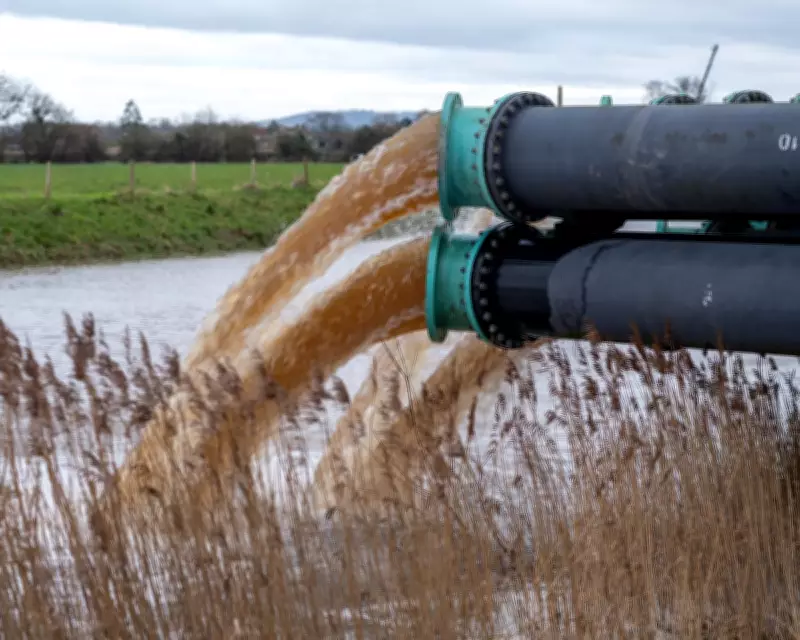
Emergency pumps are working around the clock in Somerset as communities face a renewed threat of flooding, with local campaigners demanding urgent upgrades to critical infrastructure. The Northmoor pumping station near Bridgwater has become a focal point in this ongoing struggle, where six temporary pumps are currently discharging six tons of flood water per second into the River Parrett.
A Losing Battle Against Rising Waters
Mike Stanton, chair of the Somerset Rivers Authority, expressed deep concern about the situation. "At the moment it feels like a losing battle," he told reporters at the pumping station. "Intense rainfall is hitting us more often because of climate change. It may be that in the next 50 years, perhaps in the next 20, some homes around here will have to be abandoned."
The emergency measures were implemented following Storm Chandra, with temporary pumps brought in to support permanent infrastructure in a desperate attempt to protect villages including Moorland and Fordgate. These communities gained international attention during devastating floods in 2014, and despite millions of pounds invested in flood defences since then, the threat remains acute.
Communities on Edge
By Thursday afternoon, water levels at a key monitoring point had reached 7.76 metres, significantly above the 6.6-metre threshold where property flooding becomes likely. With the Met Office issuing severe weather warnings for additional rainfall, anxiety spread through affected communities.
Julian Taylor, a Fordgate resident, had already moved many belongings upstairs in preparation for potential evacuation. "I suspect we're going to have to evacuate," he said. "The water is advancing even faster than in 2014. I don't know where we'll go. We've been pressing them for weeks to get more pumps in."
In Moorland, the Notaro family, well-known local builders, were constructing an embankment around their home using earth and stone - a repeat of measures they took during the 2014 floods. The village hall had transformed into an emergency coordination centre, hosting Environment Agency and police units as residents sought information and comfort.
Infrastructure Under Scrutiny
The Flooding on the Levels Action Group (Flag) issued a stark warning about potential "catastrophic" flooding and criticised what they called a lack of agility from the Environment Agency. The group argued that temporary pumps should have been deployed sooner and called for permanent upgrades to the Northmoor pumping station to eliminate the need for emergency measures during every serious storm.
Jim Flory, Environment Agency environment manager for Wessex, defended their response. "We think that our response has been ahead of the curve," he stated, noting that additional pumps had been installed before reaching agreed trigger points. He highlighted unprecedented rainfall statistics, including the wettest seven-day period in at least 30 years recorded at a Taunton rain gauge, with the Parrett and Tone river catchment area receiving 207% of the long-term average January rainfall.
Climate Change Reality
This winter has seen three major storms - Goretti, Ingrid and Chandra - batter the south-west of England, reflecting a broader pattern of increasingly frequent and intense extreme weather events driven by human-caused climate breakdown. While residents praised individual Environment Agency staff working tirelessly on the ground, frustration mounted about perceived insufficient action from agency leadership and government.
Floods minister Emma Hardy acknowledged the severity of the situation, stating: "Flooding is devastating and my thoughts are with the people affected. I am in regular contact with the Environment Agency on their response to the ongoing flooding who, alongside local authorities and the emergency services, are already taking action to keep communities safe."
The Somerset Levels have presented drainage challenges since medieval times when monks first began managing the landscape. Today, that historical struggle has intensified dramatically, with climate change transforming what were once exceptional weather events into increasingly regular occurrences that threaten homes, livelihoods and entire communities.