
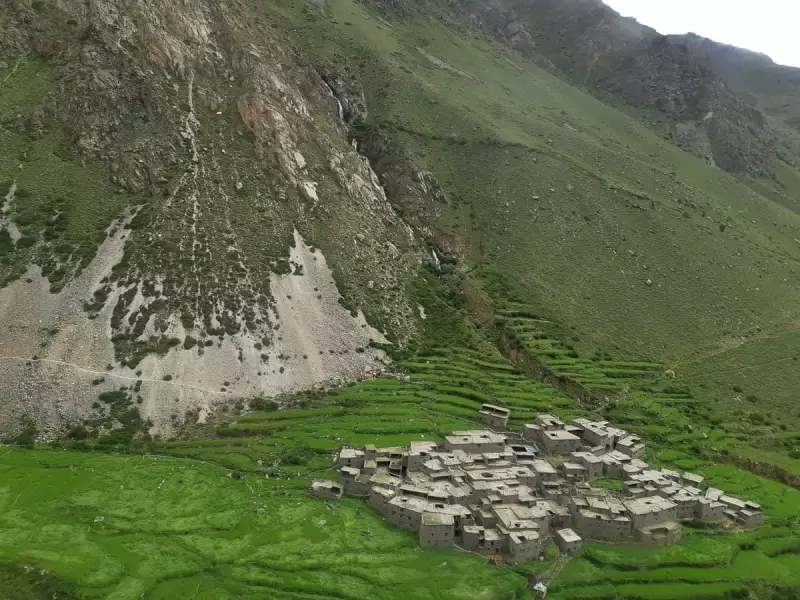
Remote communities in Nepal's Himalayan region are facing devastation after flash floods swept through the Limi Valley, destroying homes and vital infrastructure in one of the country's most isolated areas.
Emergency in the Himalayas
The disaster struck on Monday, 17th November 2025, when heavy rainfall triggered flash floods that tore through several villages in the northwest region of Nepal. More than 200 residents across three main villages - Til, Halji, and Jang - have been directly affected by the destructive waters that submerged homes and agricultural land.
Local authorities reported that the floods completely destroyed at least 15 houses, while many more sustained significant damage. The raging waters also washed away crucial bridges connecting the villages, effectively cutting off communities from essential services and aid access.
Struggle for Survival
Residents of the Limi Valley, who live in one of Nepal's most remote regions near the Tibetan border, are now facing an unprecedented crisis. The floods have contaminated water sources and destroyed winter food supplies, creating immediate concerns about health and hunger in the coming months.
"We have lost everything - our homes, our food stocks, and our connections to the outside world," said one affected resident through local aid workers. The community, already isolated by its mountainous location, now faces additional challenges as damaged trails and bridges prevent normal travel and trade.
Emergency response teams from the Nepal Red Cross Society have been deployed to assess the damage and provide initial assistance. However, the remote location and difficult terrain are hampering relief efforts, with helicopters being considered for delivering essential supplies.
Climate Change Warning
This disaster highlights the increasing vulnerability of Himalayan communities to extreme weather events linked to climate change. The Limi Valley sits at approximately 3,800 meters above sea level, where communities have historically relied on predictable weather patterns for their agricultural practices.
Environmental experts warn that rising temperatures are making mountain regions more susceptible to sudden floods and landslides. The rapid melting of glaciers combined with intense rainfall creates perfect conditions for such disasters, threatening the existence of centuries-old settlements.
Local officials emphasize that immediate aid is crucial for survival through the harsh winter months. Rebuilding infrastructure and restoring water sources before winter sets in represents an urgent priority for both local authorities and international aid organizations.
The Nepal government has initiated damage assessment procedures and is coordinating with humanitarian agencies to provide emergency shelter, food, and medical supplies to the affected families.



