
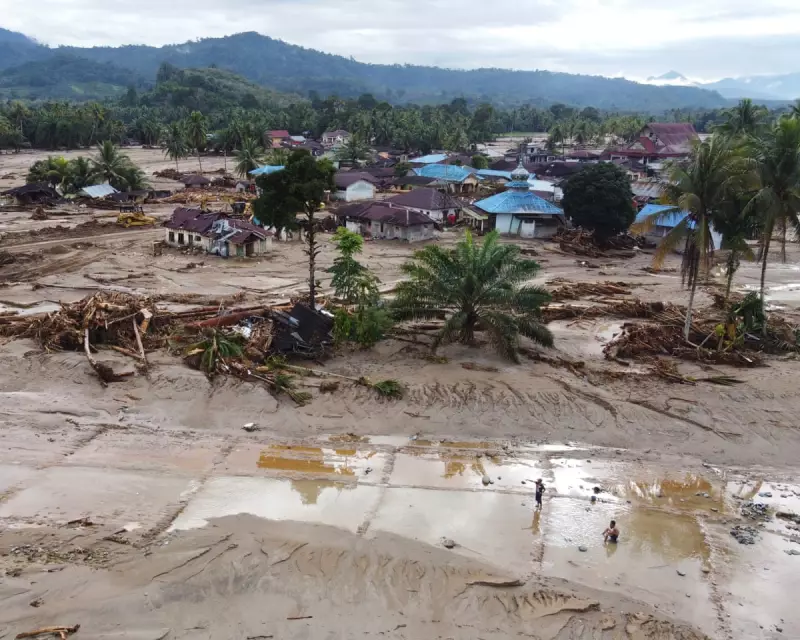
More than a million people have been forced to abandon their homes in Indonesia following devastating floods that have claimed dozens of lives. The disaster, triggered by days of relentless torrential rain, has submerged vast areas of the country, causing widespread destruction and a mounting humanitarian crisis.
A Nation Submerged by Torrential Rain
The Indonesian disaster management agency, known as BNPB, confirmed the staggering scale of the evacuation on Monday. Over 1.1 million residents have been displaced from their communities, seeking refuge in temporary shelters as floodwaters inundated towns and villages. The death toll, a figure that officials fear will continue to grow, has risen to at least 58 people.
Heavy rainfall, which began intensifying last week, is the primary cause of the catastrophe. The downpours overwhelmed rivers and drainage systems, leading to severe flooding and in some areas, dangerous landslides. Social media has been flooded with images and videos depicting residents navigating submerged streets in boats and rescue workers carrying the elderly and children to safety through chest-high water.
Critical Infrastructure and Daily Life Paralyzed
The floods have brought normal life to a standstill across multiple regions. Critical infrastructure has been severely compromised, with numerous roads rendered impassable and bridges damaged. This has significantly hampered the delivery of emergency aid and complicated rescue operations for teams who are working around the clock.
Beyond the immediate human cost, the economic impact is expected to be severe. Agricultural land has been ruined, homes and businesses destroyed, and vital services disrupted. The full extent of the damage will likely take weeks or months to fully assess as waters begin to recede.
Response and the Long Road to Recovery
Indonesian authorities, alongside military personnel and volunteer groups, are engaged in a massive relief operation. Efforts are focused on searching for any remaining missing persons, providing essential supplies like food, clean water, and medicine to evacuation centres, and preventing the outbreak of waterborne diseases in the crowded shelters.
This disaster underscores Indonesia's acute vulnerability to extreme weather events, which scientists link to the broader climate crisis. The archipelago nation frequently experiences floods during its rainy season, but the intensity and scale of recent events have raised grave concerns. The current flooding represents one of the worst such crises in recent years, drawing comparisons to previous major disasters.
As the nation grapples with the aftermath, the focus is on immediate humanitarian needs. However, the event will inevitably renew difficult conversations about urban planning, deforestation, climate resilience, and the preparedness of disaster response systems in one of the world's most populous nations.



