
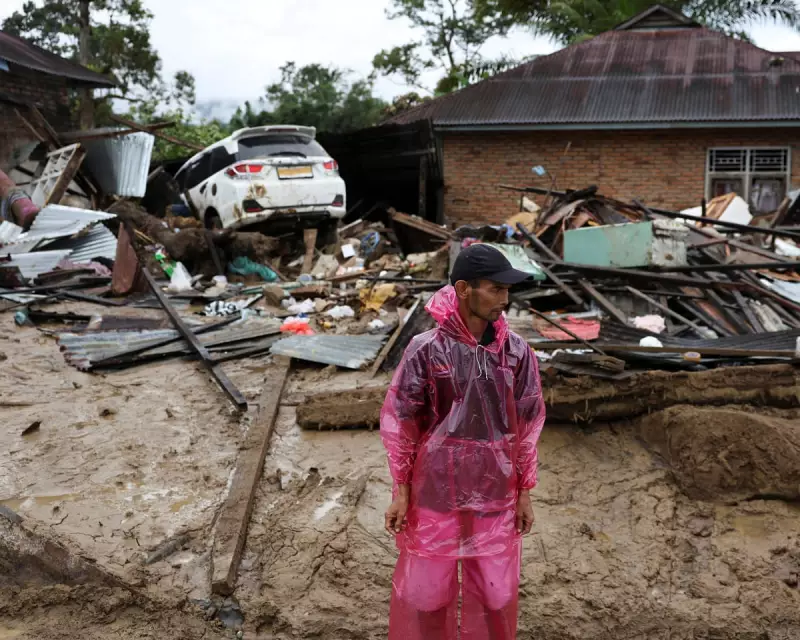
A stark new scientific report has concluded that human-driven climate change and rapid urban development are significantly increasing the lethality of flooding across Asia. The research, published in the journal Nature Geoscience, provides compelling evidence that these twin pressures are transforming natural weather events into far more devastating humanitarian disasters.
The Compounding Factors of Disaster
The study, led by a team of international climate scientists, analysed decades of flood data from across the Asian continent. It found that global heating is intensifying the rainfall associated with monsoon seasons and typhoons, leading to higher volumes of water in shorter periods. This primary effect is then catastrophically amplified by human activity on the ground.
Rapid, often unplanned, urbanisation is a key culprit. The widespread paving over of natural landscapes with concrete and asphalt prevents rainwater from being absorbed into the soil. Instead, it surges as rapid runoff into waterways and drainage systems, which are frequently inadequate for the new scale of the problem. The destruction of natural flood defences like mangroves and wetlands for coastal development or agriculture has stripped away vital buffers that once protected communities.
From Natural Event to Human Catastrophe
This research moves beyond simply linking climate change to heavier rain. It details the precise mechanisms through which human decisions multiply the damage. Settlements and infrastructure are now routinely built on known floodplains or low-lying coastal areas, putting millions directly in harm's way. When extreme rainfall hits these vulnerable regions, the consequences are predictably severe.
The report highlights that the death toll and economic cost of floods in Asia have risen sharply in recent decades, even when accounting for better reporting. This trend is not explained by meteorological factors alone. The increasing density of population and assets in high-risk zones means a single weather event now affects far more people and destroys more property than it would have fifty years ago.
An Urgent Call for Adaptive Planning
The findings serve as a dire warning for regional planners and governments. The study's authors stress that while mitigating global heating remains paramount, there is an immediate and critical need for adaptive strategies. This includes investing in resilient infrastructure, restoring natural ecosystems, and enforcing much stricter zoning laws to prevent construction in the most perilous locations.
Continuing on the current path of high emissions and lax developmental oversight will lock in even greater risk for future generations. The science is clear: human activity is not just a background factor but an active driver of deadly floods. The report concludes that without a fundamental shift in both climate policy and urban planning, Asia will face a future of increasingly frequent and lethal flooding disasters.



