
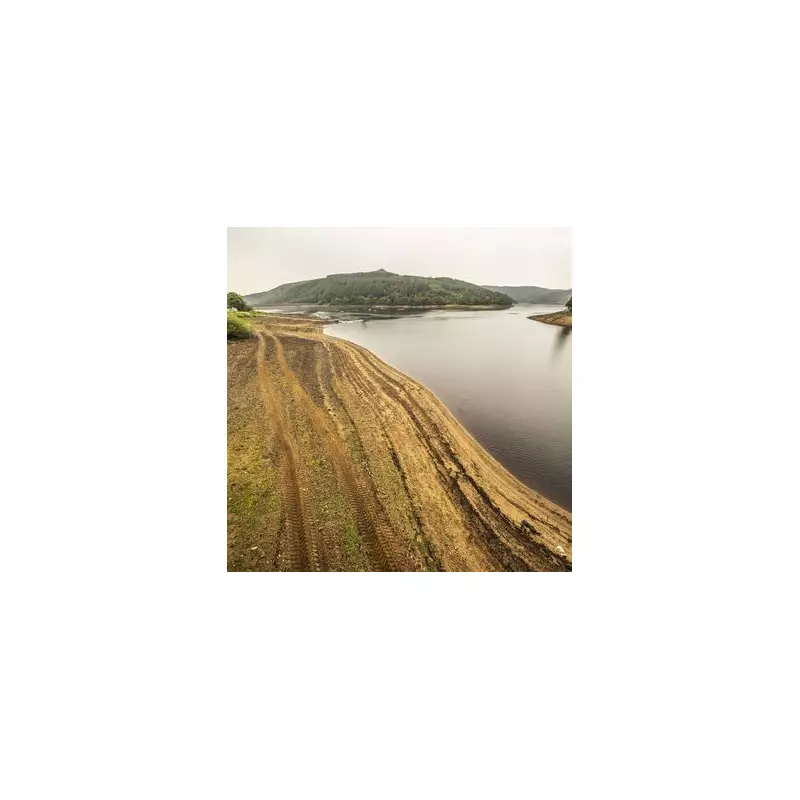
The Environment Agency has issued a stark warning that England will face widespread drought next year unless the country experiences a consistently wet winter.
Precarious Water Situation
Large parts of England, including Yorkshire and the Midlands, remain in an official state of drought following an exceptionally dry 2025. A dry spring and summer, punctuated by heatwaves, have left reservoirs at low levels and the land parched.
England has seen below-average rainfall for eight out of the ten months so far this year, with only January and September registering above-average precipitation. The country received just 83% of its average rainfall from January to October, enduring the driest spring in 132 years and the hottest summer on record.
While the North West is now recovering, swathes of the country are still classified as being in exceptionally dry conditions. Recent rainfall has done little to improve the precarious situation, according to the agency.
Risks and Potential Consequences
If the coming winter is drier than normal, much or all of England could be in drought by spring 2026. This would bring a high risk of hosepipe bans for households, significant impacts on crop yields, and danger to wildlife.
As the summer of 2026 progresses, the threat of wildfires would also increase substantially. Furthermore, the dry conditions create a paradoxical flood risk; hardened soil cannot absorb heavy downpours, leading to flash flooding as water runs off the surface.
The Environment Agency has outlined three potential scenarios based on winter rainfall levels:
- Average rainfall: Most areas recover by March 2026, though parts of Cambridgeshire and Bedfordshire may remain dry.
- 80% of average rainfall: Widespread drought conditions return across most of England.
- 60% of average rainfall: All parts of the country enter drought, leading to hosepipe bans, crop irrigation cuts, and potential permanent environmental damage.
Calls for Action and Long-Term Resilience
Helen Wakeham, Environment Agency director of water, stated unequivocally: "There will be a drought next year, unless we get sustained rainfall through the winter." She urged the public to continue being efficient with water use, even during rainy periods, to help protect wildlife, rivers, and public water supplies.
The agency is also calling on water companies to intensify efforts to reduce leakage and engage with customers on conservation. Farmers are advised to consider planting more drought-tolerant crops and refill reservoirs as soon as possible.
Water minister Emma Hardy pointed to climate change as the driver behind more frequent and severe droughts. The government is responding by building nine new reservoirs and investing in new pipes to reduce leakage as part of a long-term water security strategy.
With the Met Office forecasting a higher-than-usual likelihood of a dry period from November to January, the nation faces a critical few months that will determine its water security for the year ahead.



